


Why Your Home’s Foundation Needs a Protective Barrier
Foundation sealer exterior products are waterproofing materials applied to the outside surface of your home’s foundation walls to prevent water from entering your basement or crawl space. Here’s what you need to know:
Key Points:
- What it does: Creates a waterproof barrier on the exterior of foundation walls before water can penetrate
- Common types: Liquid rubber, bentonite clay, elastomeric coatings, acrylic sealants, and polyurethane
- Typical lifespan: Ranges from 3-5 years (acrylic) to 20+ years (bentonite), with most lasting 7-15 years
- Average cost: Basement waterproofing typically runs $4,000-$8,000
- DIY vs. Professional: Some products like acrylic are DIY-friendly, while others require professional installation
Every year, thousands of homeowners find water in their basements—often after it’s too late. That damp smell, those white chalky stains on your walls, or puddles after a heavy rain are all warning signs that water is finding its way through your foundation.
Your foundation sits below ground, constantly exposed to soil moisture and groundwater pressure. Concrete, despite its strength, is actually porous—it acts like a sponge when water accumulates around it. Without proper protection, that water will eventually find its way inside, bringing mold, structural damage, and costly repairs along with it.
The good news? Exterior foundation sealing stops water problems before they start. Unlike interior systems that manage water after it’s already penetrated your foundation, exterior sealers create a protective barrier on the outside—your first and best line of defense.
In this guide, we’ll walk you through everything you need to know about exterior foundation sealers: what they are, which type is right for your home, how they’re applied, and how much you can expect to invest in protecting your home’s most important structural element.
I’m Darin Garvey, and over the past 30 years at Basement Waterproofing Scientists, I’ve helped hundreds of Philadelphia-area homeowners choose and apply the right foundation sealer exterior solutions to protect their homes from water damage. Whether you’re dealing with minor dampness or preparing for a major waterproofing project, this guide will help you make an informed decision.
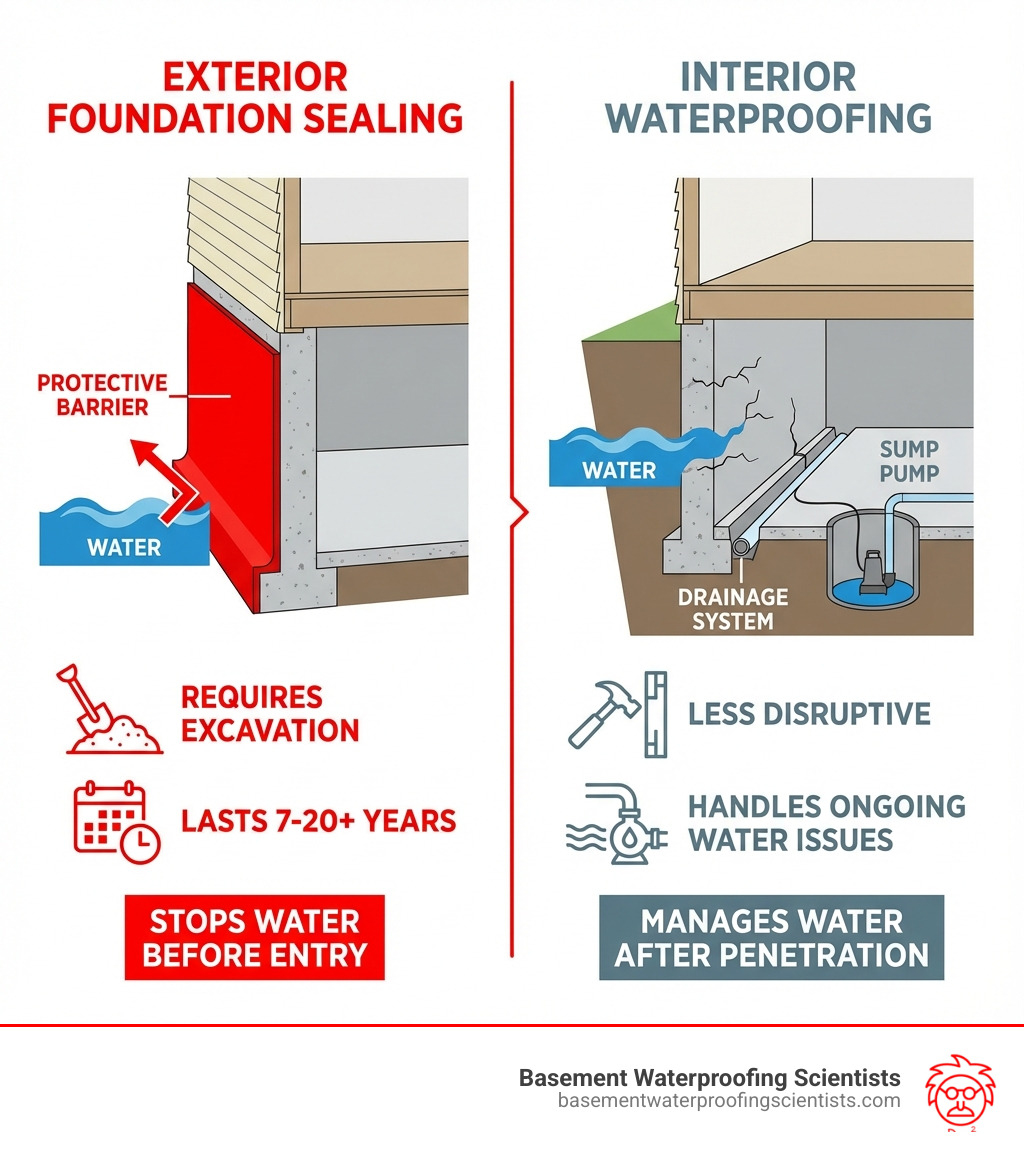
Basic foundation sealer exterior vocab:
What is an Exterior Foundation Sealer and Why is it Crucial?
Imagine your home’s foundation as a sturdy ship in a sea of soil. When heavy rains hit or the water table rises, that soil becomes saturated, exerting immense force against your foundation walls. This is known as hydrostatic pressure, and it’s a primary culprit behind basement leaks. The backfilled soil around your home, often looser than undisturbed earth, creates a “false water table” that can trap water right where you don’t want it.
Even seemingly solid concrete isn’t truly impenetrable. It’s porous, meaning it has tiny capillaries that can act like miniature sponges, absorbing moisture from the surrounding wet soil. This absorbed moisture can eventually migrate through the wall, leading to dampness, leaks, and a host of other problems in your basement.
An exterior foundation sealer acts as your home’s first line of defense against this relentless assault. By applying a waterproof barrier to the outside of your foundation walls, we stop water from ever reaching the concrete itself, let alone penetrating it. This proactive approach is fundamentally different from interior waterproofing, which manages water after it has already entered your basement.
Protecting your foundation with an exterior foundation sealer is crucial for several reasons:
- Structural Integrity: Water is the enemy of any building material. Moisture weakens concrete over time, can corrode steel reinforcement bars within the foundation, and contributes to settlement issues. By keeping water out, we help maintain the long-term structural stability of your entire home. For more detailed information on how we protect your home’s base, visit our page on waterproofing foundations.
- Preventing Water Intrusion: This is the most obvious benefit. An exterior sealer creates an impermeable shield that physically blocks water from entering your basement. This means no more puddles, damp spots, or musty smells.
- Home Value Protection: Untreated leaks and water damage can significantly devalue your property. Statistics show that untreated leaks can reduce a home’s market value by as much as 10%. For a home valued at $300,000, that’s a potential loss of $30,000! Investing in an exterior foundation sealer is an investment in preserving your home’s market value.
- Mold and Mildew Prevention: Moisture is the perfect breeding ground for mold and mildew. These fungi not only cause unpleasant odors but can also lead to serious indoor air quality issues and health problems for your family. By eliminating the moisture source, an exterior sealer effectively prevents mold and mildew growth in your basement. For a broader understanding of waterproofing principles, you might find this scientific research on Waterproofing insightful.
Key benefits of an exterior foundation sealer
The advantages of applying an exterior foundation sealer extend far beyond just keeping your basement dry. They contribute significantly to the overall health and longevity of your home.
- Protects Structural Integrity: As we’ve discussed, water infiltration can lead to weakened concrete, corroded rebar, and eventual foundation damage. An exterior sealer prevents this by keeping your foundation dry and stable, prolonging its life.
- Prevents Mold and Mildew: A dry basement is a mold-free basement. By stopping moisture at the source, we eliminate the conditions necessary for these harmful growths, ensuring a healthier living environment.
- Improves Indoor Air Quality: Mold and mildew spores, along with damp, musty air, can circulate throughout your home, impacting air quality. An exterior sealer helps create a clean, fresh-smelling basement that contributes to better air quality throughout your house.
- Increases Property Value: A dry, healthy basement is a major selling point. Potential home buyers run from signs of water damage quicker than kids from broccoli at dinnertime! Investing in a reliable foundation sealer exterior protects your home’s value and makes it more attractive to future buyers.
- Reduces Long-Term Repair Costs: While there’s an initial investment, the cost of preventing water damage is almost always less than repairing it. Average basement waterproofing can cost between $4,000 and $8,000. This is a small price to pay compared to the extensive and costly repairs needed for structural damage, mold remediation, or replacing damaged personal belongings. To learn more about comprehensive solutions, check out our services on Foundation Repair and Waterproofing.
Signs Your Foundation Needs Sealing
Your home often gives subtle (and sometimes not-so-subtle) clues that its foundation is struggling with water infiltration. Paying attention to these signs can help you address the problem before it escalates into a major headache.
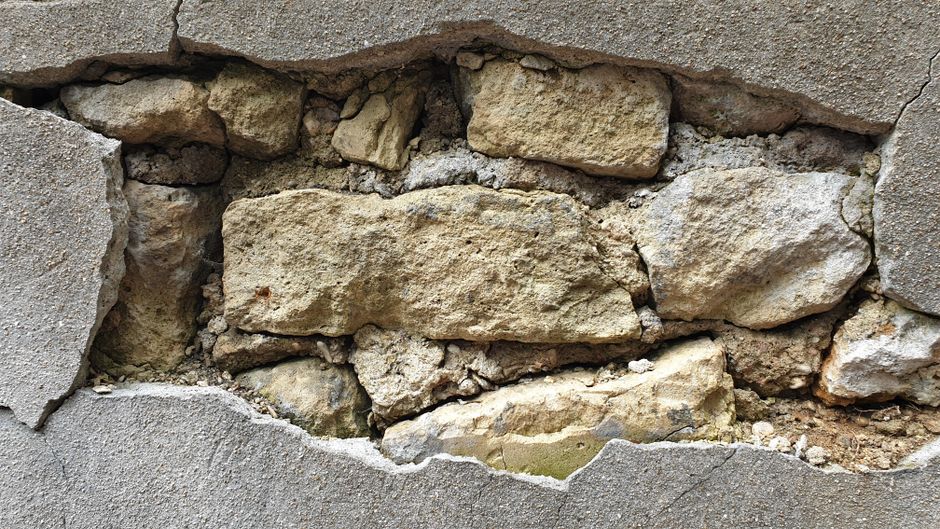
Here are the common indicators that your foundation could benefit from an exterior foundation sealer:
- Musty Odors in Basement: This is often one of the first signs. A persistent earthy or damp smell indicates the presence of moisture and potentially mold or mildew, even if you can’t see the water.
- Damp Spots on Walls or Floors: If you notice patches of discoloration, darkening, or actual wetness on your basement walls or floor, water is actively penetrating.
- Peeling Paint or Wallpaper: Moisture behind paint or wallpaper causes it to lose adhesion and peel or bubble. This is a clear sign of water ingress.
- Efflorescence (White, Chalky Stains): These powdery white deposits on concrete or masonry walls are mineral salts left behind as water evaporates from the surface. It’s a definitive sign that water is passing through your foundation.
- Visible Cracks in Foundation: While not all cracks indicate water issues, any crack, especially horizontal or stair-step cracks, can be a pathway for water. Even hairline cracks can allow significant moisture. For more information on addressing these, explore our guide on Exterior Foundation Cracks.
- Water in Basement After Rain: This is the most obvious and alarming sign. If you find puddles, standing water, or even a consistently wet floor after rainfall, your foundation’s defenses are severely compromised.
If you observe any of these signs, it’s time to consider a professional assessment of your exterior foundation sealer needs.
A Deep Dive into Types of Exterior Foundation Sealers
Choosing the right exterior foundation sealer is crucial for effective and long-lasting protection. There isn’t a one-size-fits-all solution, as each type offers unique advantages and is best suited for specific conditions, foundation materials (like poured concrete, block, or stone), and budgets.
Here’s a comparison of the main types of outdoor foundation sealants available:
| Sealant Type | Durability | Flexibility | Cost | DIY-Friendliness | Best For | | | Type | Benefits | | Liquid Rubber | 8-10 years | Very high (up to 900%) | Moderate | Yes | Existing foundations, cracks, flexible barrier | | | **** | Water-resistant, not fully waterproof | Low (some flexibility for minor shifts) | Low | Yes | Damp basements, minor moisture issues, priming for other sealants | | Bentonite Clay | Indefinite (20+ years) | Very low (expands when wet, forming a strong bond) | Moderate | No (Professional) | For new construction, and to seal large areas, can be used for existing foundations where extensive soil excavation is feasible |