

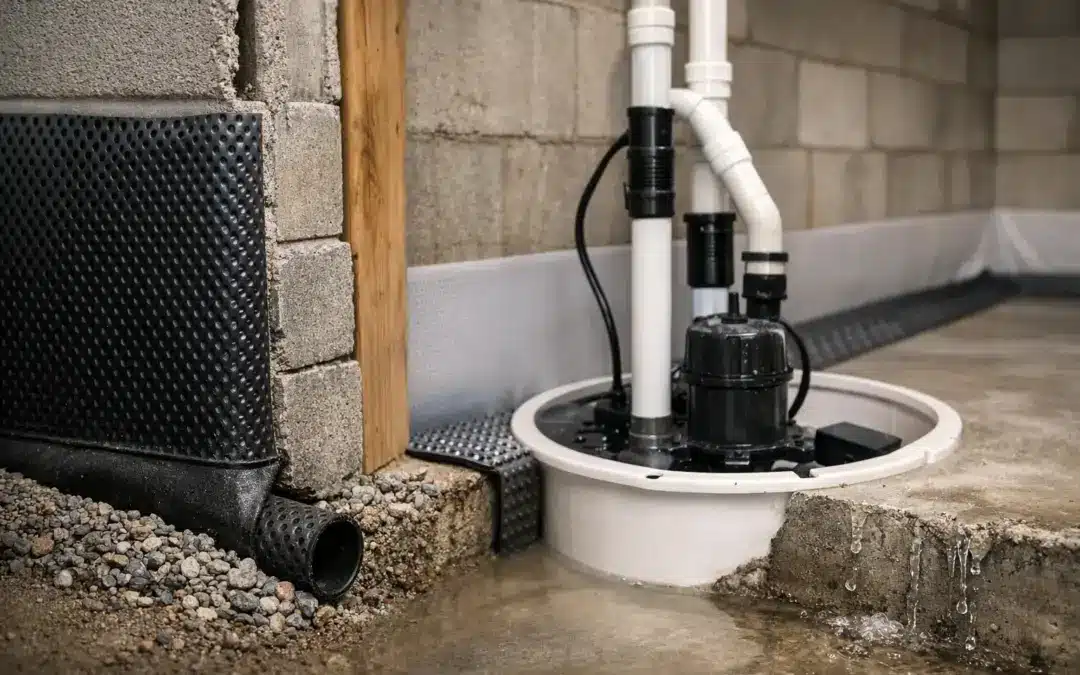
A basement does not need much water to become a serious problem. One damp wall, one recurring puddle, or one musty smell after heavy rain is often enough to signal that moisture is getting in somewhere it should not. If you are asking what is a basement waterproofing system, the short answer is this: it is a set of methods and materials designed to keep water out, control groundwater, and protect your basement from leaks, mold, and structural damage.
The longer answer matters more, because many homeowners hear the term and picture one product or one standard package. In reality, a basement waterproofing system is not always a single system at all. It can include interior drainage, exterior waterproofing, sump pumps, crack repair, vapor barriers, drainage boards, grading corrections, and more. The right solution depends on where the water is coming from, how it enters, and what kind of foundation your home has.
What is a basement waterproofing system, really?
A basement waterproofing system is a targeted combination of components that manages water before it can damage your basement. Sometimes the goal is to stop water from entering through foundation walls. Sometimes it is to collect water that reaches the footing and direct it safely away. Sometimes it is both.
That distinction is where many homeowners get steered wrong. A contractor may recommend a full interior drain system for every wet basement, even when the actual issue is one wall crack, poor grading, or a failed exterior drain line. Another may paint on a waterproof coating and call it solved, even though hydrostatic pressure is building outside the wall. Both approaches can miss the real cause.
A true basement waterproofing system is not defined by the size of the estimate. It is defined by whether the fix matches the source of the water.
The main parts of a basement waterproofing system
Most basement waterproofing systems use one or more of the same core elements. The difference is how they are combined.
Interior drainage systems
An interior drainage system is installed along the perimeter of the basement floor, usually near the foundation footing. Its job is to intercept groundwater or wall seepage and channel it to a sump pump. This approach does not stop water from reaching the exterior of the foundation, but it does control it once it gets to the basement perimeter.
This is often a practical solution for homes in the Philadelphia region, especially older homes where exterior excavation would be more disruptive or costly. It can be highly effective, but it is not always the only answer.
Sump pump systems
A sump pump is the discharge point for collected water. Water enters a sump basin, and the pump pushes it out and away from the foundation. In many wet basement situations, the sump pump is the engine that makes the rest of the system work.
Pump quality matters. So does battery backup, especially during major storms when power outages and heavy groundwater often happen at the same time.
Exterior waterproofing
Exterior waterproofing is designed to stop water before it penetrates the foundation wall. This may involve excavation, foundation wall sealing, waterproof membranes, drainage boards, and footing drains. When a wall is leaking heavily from the outside, exterior work may be the more direct permanent fix.
The trade-off is cost and access. If landscaping, hardscaping, porches, or tight lot lines limit excavation, exterior waterproofing can become more complicated.
Crack repair
Not every leak needs a full perimeter system. If water is entering through a foundation wall crack, an injection repair using epoxy or polyurethane may solve the problem. This is especially true when the leak is isolated and the rest of the basement is dry.
This is why diagnosis comes first. A single crack should not automatically lead to a full-system recommendation.
Vapor barriers and wall moisture control
In some basements, part of the problem is not liquid water but moisture vapor. A vapor barrier can help reduce humidity transfer and protect finished spaces. On its own, though, it is not a cure for active leakage.
That distinction matters. Moisture control products are useful, but they should not be sold as substitutes for structural leak correction.
How a basement waterproofing system works
Water usually enters a basement in one of four ways: through wall cracks, through the wall-floor joint, through porous masonry, or from surface water collecting around the house. A waterproofing system works by interrupting one or more of those paths.
If hydrostatic pressure pushes water toward the basement, an interior drain system relieves that pressure by collecting the water before it reaches the floor. If surface runoff is dumping water near the foundation, exterior drainage or grading improvements may keep that water from reaching the wall in the first place. If the leak is tied to a crack, the system may simply be a professional crack repair and no more.
That is why the best waterproofing plans are not generic. They are designed around building science, drainage behavior, and the actual leak pattern inside the home.
What a basement waterproofing system is not
A basement waterproofing system is not just a coat of paint on the walls. Waterproofing paint may improve appearance and can sometimes slow minor dampness, but it does not stop pressure-driven water intrusion.
It is also not always a complete basement excavation. Some homes need extensive work. Many do not. The smartest solution is the one that fixes the problem permanently without adding unnecessary work.
And it is not the same as mold removal, although waterproofing often prevents the moisture conditions that allow mold growth. If you already have visible growth or ongoing dampness, both issues may need attention.
Signs your home may need a basement waterproofing system
Some warning signs are obvious, like standing water after a storm. Others are easier to miss. Efflorescence on walls, peeling paint, damp carpet edges, rusty bottom plates, musty odors, and recurring humidity can all point to hidden water entry.
In older homes throughout Southeast Pennsylvania and South Jersey, it is also common to see a mix of problems at once. A small foundation crack, aging mortar joints, and poor downspout discharge can all contribute to the same wet basement. When that happens, a one-size-fits-all approach usually costs more than it should.
Which basement waterproofing system is best?
The best system is the one that addresses the source of the water with the least unnecessary disruption. That may be an interior French drain with a sump pump. It may be exterior foundation waterproofing. It may be one crack injection and a downspout correction.
This is the part homeowners should take seriously. If you get three estimates and all three recommend different solutions, that does not automatically mean two of them are wrong. It may mean one contractor focuses on interior drainage, another on exterior methods, and another has identified a more limited source. The important question is not which proposal sounds biggest. It is which one is supported by actual leak detection and visible evidence.
A good inspection should explain where the water is entering, why that pathway exists, and what specific repair stops it. If the explanation is vague, the recommendation probably is too.
Why diagnosis matters before installation
Basement Waterproofing Scientists has built its approach around this exact issue. Homeowners are often sold systems before anyone has clearly identified the leak source. Scientific leak detection changes that conversation. Instead of assuming all water problems need the same package, the inspection process narrows down the actual cause and recommends the most economical permanent fix.
That protects your basement, but it also protects your budget. In this industry, precision matters.
What to expect from a proper evaluation
A real waterproofing evaluation should look at more than the wet spot on the floor. It should consider grading, gutter discharge, foundation cracks, wall condition, floor joints, sump performance if one exists, and how water behaves during and after rainfall. In some homes, seasonal groundwater is the issue. In others, the leak is tied to one construction defect.
That is also why timing matters. A basement that seems only slightly damp today can become a larger repair later if water is weakening wall materials, feeding mold growth, or damaging finished surfaces.
If you have been wondering what is a basement waterproofing system, think of it less as a product and more as a problem-solving plan. It may be simple or comprehensive. It may be interior, exterior, or a mix of both. What matters is that it is designed for your house, your leak pattern, and your long-term protection.
A dry basement starts with a clear answer to one question: where is the water actually coming from? Once that is understood, the right fix usually becomes much easier to see.