

Why Finding a Reputable Crawl Space Waterproofing Company Matters
A crawl space waterproofing company provides specialized services to seal, protect, and maintain the area beneath your home. When selecting a contractor, look for these key qualifications:
- Licensed and insured with verifiable credentials
- Free inspections and written estimates with no obligation
- Proven track record with customer reviews and before-and-after photos
- Comprehensive warranties (25-year to lifetime coverage)
- Advanced technology for leak detection and moisture control
- Complete solutions including vapor barriers, drainage systems, sump pumps, and dehumidifiers
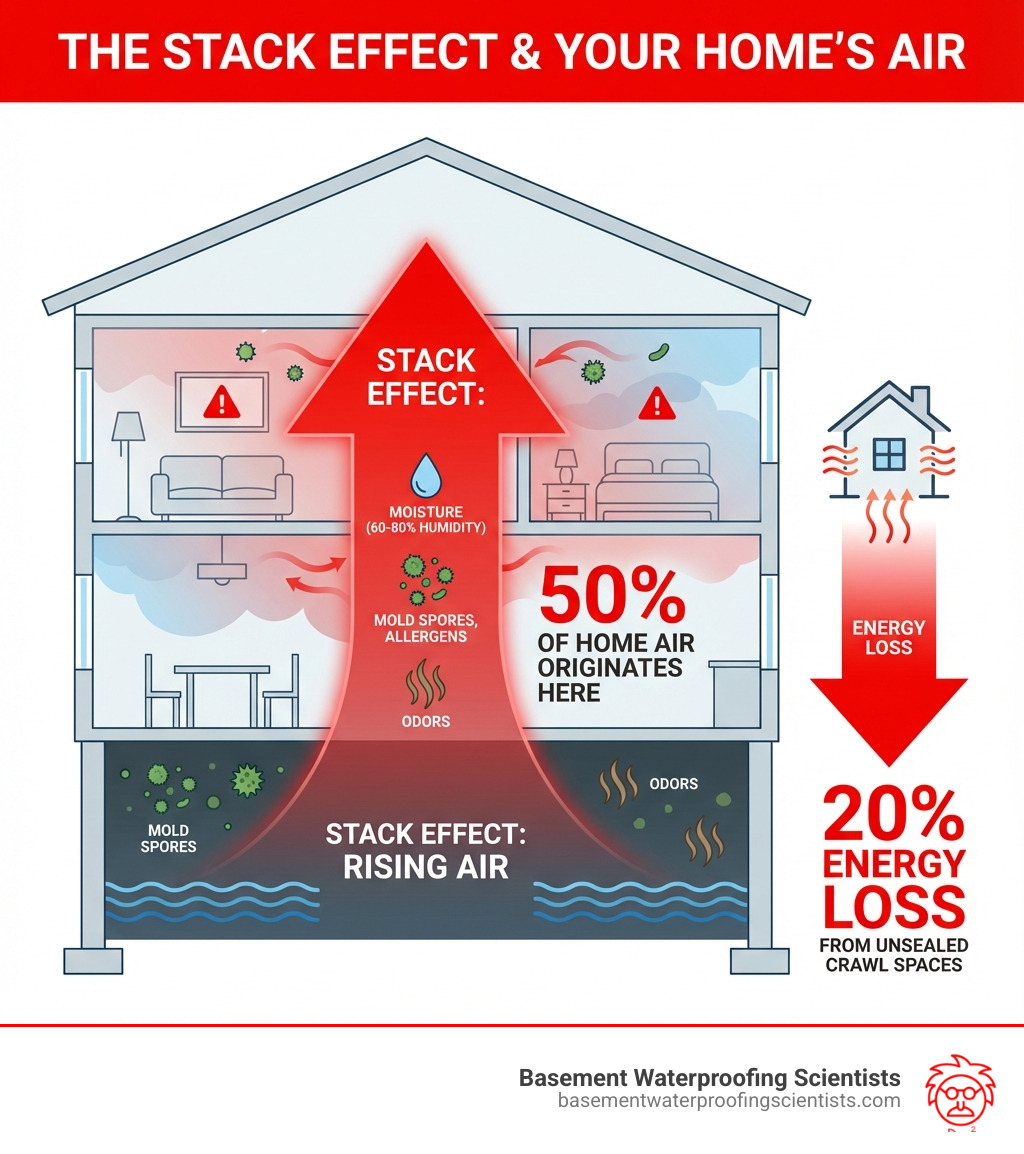
The crawl space beneath your home is more important than you might think. According to building science research, as much as half of the air in your home rises up from your crawl space. This phenomenon, called the stack effect, means that moisture, mold spores, and allergens from a damp crawl space can spread throughout your living areas. Left untreated, a wet crawl space can lead to structural damage, mold growth, pest infestations, and energy bills that are 20% higher than necessary.
Many homeowners struggle with finding reliable contractors after previous waterproofing attempts have failed. The difference between basic waterproofing and proper crawl space encapsulation often determines whether the problem truly gets solved or just temporarily masked. A quality crawl space waterproofing company will combine waterproofing techniques with high-performance insulation, durable moisture barriers, and effective air-sealing strategies to transform your crawl space from a liability into an asset.
I’m Darin Garvey, and with over 30 years of experience leading Basement Waterproofing Scientists, I’ve helped countless homeowners in the Philadelphia area find lasting solutions through specialized leak detection and targeted crawl space waterproofing company services. In this guide, I’ll walk you through exactly what to look for when choosing a contractor, what a proper encapsulation involves, and how to protect your investment with the right partner.
Why Your Crawl Space Needs Attention: Common Problems & Telltale Signs
Your crawl space, often out of sight and out of mind, plays a critical role in the overall health and stability of your home. When this area is neglected, it can become a breeding ground for a host of problems that impact your indoor air quality, energy efficiency, and even the structural integrity of your property in Pennsylvania, New Jersey, and Delaware. The common issues we encounter stem primarily from moisture, and moisture causes mold growth, musty odors, structural damage, and high energy costs.
Let’s break down the typical culprits:
- Moisture and humidity: This is the root of most crawl space problems. Unsealed crawl spaces allow ground moisture to evaporate and condense, leading to consistently high humidity levels. This dampness is an open invitation for trouble.
- Mold and mildew growth: Where there’s moisture, mold and mildew thrive. These fungi can quickly spread across wooden joists, subflooring, and even insulation. Not only do they cause musty odors, but mold spores can also become airborne and contribute to respiratory issues for your family.
- Pest infestations: A damp, dark crawl space is an ideal environment for pests like rodents, insects (termites, cockroaches), and even snakes. These unwelcome guests can find their way into your home, causing damage and creating unsanitary conditions. A sealed crawl space can help prevent pests from entering the home.
- Structural damage: Constant moisture can lead to wood rot in floor joists, subflooring, and support beams. This weakens the structure of your home, potentially causing sagging floors, uneven surfaces, and even significant structural compromise over time.
- Wood rot: This specific form of decay is directly caused by prolonged exposure to moisture, breaking down the cellulose in wood and severely compromising its strength.
- High energy bills: An unsealed crawl space allows conditioned air to escape and unconditioned air to enter, making your HVAC system work harder to maintain comfortable temperatures. This leads to increased energy consumption and higher utility bills.
Signs You Need Professional Help
How do you know if your crawl space is silently suffering? Here are the telltale signs homeowners should look for:
- Musty odors in home: If you notice a persistent, earthy, or moldy smell, especially on the first floor or when your HVAC system runs, it’s a strong indicator of moisture problems below.
- Visible water or condensation: Standing water on the crawl space floor, wet soil, or condensation on pipes and ductwork are clear signs of excessive moisture.
- High indoor humidity: If your home feels uncomfortably humid, even with air conditioning running, your crawl space might be contributing significantly.
- Cold floors in winter: Poorly insulated or damp crawl spaces can lead to cold spots on your floors, making your home less comfortable and driving up heating costs.
- Increased allergy symptoms: If family members experience unexplained allergy or asthma symptoms that worsen at home, mold spores and allergens from the crawl space could be the culprit.
- Peeling paint on walls: Excessive humidity can cause paint to peel or wallpaper to bubble, even on walls that aren’t directly exposed to water.
- Warped wood floors: Moisture moving from the crawl space into your subflooring can cause hardwood floors to cup, buckle, or warp.
- Drywall cracks or uneven floors: In severe cases, structural damage from wood rot can manifest as cracks in drywall or noticeable unevenness in your home’s floors.
If you observe any of these signs, it’s time to consider professional intervention. For more detailed information on common issues and solutions, explore our dedicated page on crawl space repair services.
The Ultimate Fix: Crawl Space Encapsulation vs. Waterproofing
When we talk about addressing crawl space issues, two terms often come up: waterproofing and encapsulation. While related, they represent different levels of intervention and offer varying degrees of protection. Understanding the distinction is key to choosing the right solution for your home.
Crawl Space Encapsulation Defined
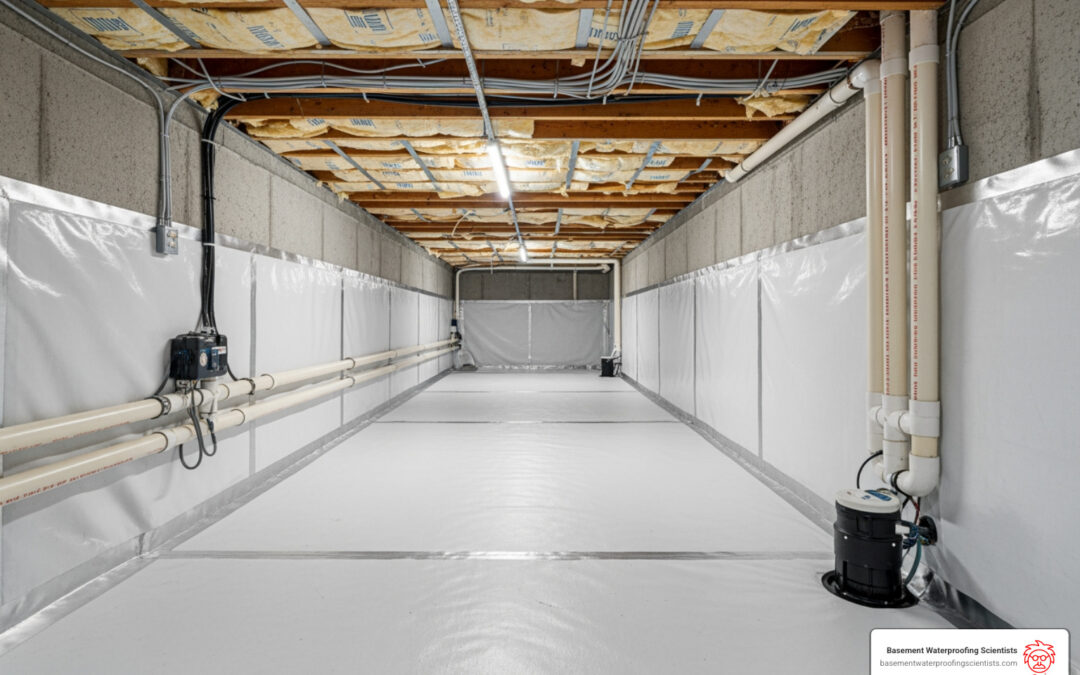
Crawl space encapsulation is a comprehensive process that effectively seals off your crawl space from the outside environment and the earth beneath it. It involves covering the entire crawl space floor and walls with a heavy-duty, reinforced vapor barrier, sealing all vents and openings, and often integrating a dehumidifier and drainage system. The goal is to create a dry, conditioned, and isolated environment that prevents moisture, mold, and pests from entering the space and impacting your home.
Sealing vs. Basic Waterproofing
Basic waterproofing typically focuses on managing existing water intrusion, often through interior drainage systems or exterior foundation repairs. While effective for preventing standing water, it doesn’t always address the pervasive humidity and air quality issues that originate from the ground and open vents.
Encapsulation, on the other hand, goes a step further. It’s about proactive prevention and environmental control. Instead of just draining water when it appears, encapsulation creates a complete barrier against all forms of moisture—liquid water and water vapor—and seals the space off from external air.
Here’s a comparison to illustrate the difference:
| Feature | Basic Waterproofing (Drainage Only) | Full Encapsulation (Sealing, Drainage, Conditioning) |
|---|---|---|
| Primary Goal | Manage and remove standing water | Isolate, dry, and condition the crawl space environment |
| Components | Interior drainage, sump pump | Heavy-duty vapor barrier, sealed vents, drainage system, sump pump, dehumidifier, insulation |
| Moisture Control | Addresses liquid water | Addresses liquid water, water vapor, and external humidity |
| Air Quality Impact | Minimal, may still have musty odors | Significantly improves, eliminates odors, reduces allergens |
| Energy Efficiency | Minimal improvement | Significant improvement (homes use an average of 20% less energy) |
| Pest Control | Limited | Excellent, seals off entry points |
| Structural Protection | Prevents water damage | Prevents water damage, wood rot, and structural decay |
| Cost | Generally lower initial cost | Higher initial investment, but greater long-term savings and benefits |
| Maintenance | Sump pump checks | Sump pump, dehumidifier, and general system checks |
Key Benefits of a Sealed Crawl Space
Investing in crawl space encapsulation with a reputable crawl space waterproofing company like ours offers a wealth of benefits for your home and family:
- Improved air quality: By sealing off the crawl space, we prevent mold spores, dust mites, and other allergens from entering your home’s air, leading to a healthier indoor environment. This is crucial given that half of your home’s air originates from this space.
- Energy efficiency: Homes with a sealed crawl space use an average of 20% less energy. Encapsulation reduces heat loss in winter and heat gain in summer, lowering your energy bills and improving overall energy efficiency.
- Pest control: Encapsulation creates a physical barrier that makes it much harder for rodents, insects, and other pests to enter your crawl space and, by extension, your home.
- Prevents structural damage: By eliminating moisture, encapsulation prevents wood rot and other moisture-related damage to your home’s foundation and framing, preserving its structural integrity.
- Creates usable storage space: A clean, dry, and conditioned crawl space can become a valuable area for storage, freeing up space elsewhere in your home.
- Increased home comfort: Say goodbye to cold floors, dampness, and musty odors. An encapsulated crawl space contributes to a more comfortable living environment throughout your entire home.
To learn more about how we transform damp crawl spaces into dry, healthy environments, check out our insights on crawl space liner installation.
Essential Components of a Dry Crawl Space
A truly effective crawl space encapsulation system relies on several key components working in harmony:
- Crawl space vapor barrier: This is the cornerstone of encapsulation. A heavy-duty, reinforced liner, typically 20-mil thick, covers the entire floor and extends up the walls of the crawl space, effectively blocking ground moisture and vapor. You can read more about this essential component in our Crawl Space Vapor Barrier Guide.
- Crawl space drainage systems: Even with a vapor barrier, it’s crucial to manage any water that might enter the crawl space (e.g., from plumbing leaks or severe external flooding). An interior perimeter drainage system, like drain tile, collects this water and directs it to a sump pump. Learn more about our crawl space drainage systems.
- Sump pumps: Installed at the lowest point of your crawl space, a reliable sump pump automatically removes collected water, discharging it safely away from your foundation. We often recommend models with battery backups for continuous protection during power outages.
- Dehumidifiers: Even after sealing, some residual moisture can remain, or humidity can enter through tiny pathways. A high-performance crawl space dehumidifier actively conditions the air, maintaining optimal humidity levels (typically below 50%) to prevent mold growth.
- Vent covers: Crucially, existing crawl space vents are sealed off. While traditionally thought to promote airflow, vents actually allow humid, unconditioned air into the crawl space, exacerbating moisture problems. Learn about the best way to seal crawl space vents.
The Encapsulation Process: What to Expect
When you choose a professional crawl space waterproofing company for encapsulation, you’re investing in a systematic approach designed to deliver lasting results. The process is thorough and custom to your home’s specific needs in Pennsylvania, New Jersey, or Delaware.
Here’s a breakdown of what the crawl space encapsulation process typically involves:
- Inspection and assessment: The first step is a detailed inspection of your crawl space. Our experts use specialized equipment to identify leak sources, assess moisture levels, evaluate the condition of wood structures, and pinpoint any existing problems like mold or pests. This allows us to design a customized solution.
- Cleaning and preparation: Before any new materials are installed, the crawl space needs to be thoroughly cleaned. This includes removing any standing water, debris, old insulation, and, if necessary, addressing existing mold growth through professional remediation.
- Water management: If your crawl space experiences active water intrusion, this is addressed first. This can involve installing an interior perimeter drainage system, also known as drain tile, which collects water and directs it to a sump pump. Our team is skilled in installing drain tile in crawl space systems.
- Sealing and insulation: Once water is managed, a heavy-duty vapor barrier is carefully installed across the entire crawl space floor and up the foundation walls. All seams are sealed, and the barrier is mechanically fastened. We also seal off any existing vents to prevent outside air and humidity from entering. In many cases, insulation is added to the crawl space walls to further improve energy efficiency.
- Air conditioning: Finally, a high-performance crawl space dehumidifier is installed to maintain optimal humidity levels within the newly encapsulated space, ensuring it remains dry and healthy year-round.
Choosing the Right Materials
The effectiveness and longevity of your crawl space encapsulation depend heavily on the quality of the materials used. We prioritize durable, high-performance products designed for the unique challenges of below-grade environments:
- High-performance membranes: We select vapor barriers that are not just thick but also reinforced and puncture-resistant, often a 20-mil 7-ply sandwich of high and low-density polyethylene with polyester-cord reinforcement. These materials are engineered to withstand the harsh conditions of a crawl space.
- High-performance DELTA®-MS system: For foundation waterproofing, we might recommend robust solutions like the DELTA®-MS system, known for its high performance as a barrier to unwanted air and water entry. Similarly, advanced waterproofing membranes, such as those from RESISTO, offer excellent functionality and are straightforward to apply, saving on labor costs.
- Durable liners: The liners we use are built to last for decades, providing a continuous, impenetrable barrier against moisture from the ground.
- Antimicrobial properties: Many of our vapor barriers and insulation materials are treated with antimicrobial finishes to inhibit mold and mildew growth, adding an extra layer of protection against unhealthy organisms.
Investing in these superior materials ensures that your crawl space encapsulation will stand the test of time. For more information on protecting your basement and crawl space from moisture, you can refer to our guide on basement moisture barriers.
How to Choose the Right Crawl Space Waterproofing Company
Finding the right crawl space waterproofing company is paramount to ensuring a successful and long-lasting solution for your home. With so many options out there, especially in busy regions like Pennsylvania, New Jersey, and Delaware, knowing what to look for can save you a lot of headache and expense down the road.
Evaluating a Crawl Space Waterproofing Company’s Reputation
A company’s reputation speaks volumes. Here’s how we recommend you evaluate potential contractors:
- Check online reviews: Look at platforms like Google, BBB, and other independent review sites. Pay attention to consistent themes, both positive and negative, and how the company responds to feedback.
- Ask for local references: A reputable company should be able to provide contacts for past clients in your area. Speaking directly with homeowners who have used their services can offer invaluable insight into their experience.
- Verify their BBB rating: The Better Business Bureau provides an objective measure of a company’s reliability and customer service. We are proud of our commitment to customer satisfaction.
- Look at before-and-after photos: A picture is worth a thousand words, especially in this industry. Before-and-after photos demonstrate the quality of their work and their ability to transform challenging spaces.
Understanding Warranties and Guarantees
A strong warranty is a sign of a company’s confidence in its work and materials. Here’s what to look for:
- Lifetime warranties: Many reputable companies offer a lifetime warranty on their waterproofing systems. This provides peace of mind, knowing that your investment is protected for the long haul.
- Transferable warranties: If you plan to sell your home, a transferable warranty can be a significant selling point, adding value and assuring prospective buyers.
- Manufacturer vs. workmanship warranty: Understand the difference. A manufacturer’s warranty covers defects in the products used, while a workmanship warranty covers the quality of the installation. A comprehensive warranty should include both.
- What the warranty covers: Read the fine print! Ensure you understand what specific issues are covered (e.g., water intrusion, mold growth, structural damage) and any conditions that might void the warranty.
- Importance of a solid guarantee: A robust guarantee demonstrates that the company stands behind its services. We, at Basement Waterproofing Scientists, offer a lifetime guarantee because we are confident in our expertise and the quality of our solutions.
Questions to Ask a Contractor
Before making a decision, prepare a list of questions for each potential crawl space waterproofing company:
- Experience and specialization: How long have you been in business? Do you specialize in crawl space encapsulation, or is it just one of many services? (We have 30 years of experience specializing in these solutions.)
- Licensing and insurance: Are you licensed and insured to perform work in my state (Pennsylvania, New Jersey, or Delaware)? Can you provide proof?
- Customer reviews: Can you provide references or examples of similar projects you’ve completed in my area?
- Written estimates: Will I receive a detailed, written estimate that outlines all costs, materials, and the scope of work? Is it a no-obligation estimate?
- Product quality: What specific materials and systems do you use for encapsulation, and why? (Look for high-performance membranes, durable liners, and antimicrobial properties).
- Process details: Can you walk me through the entire encapsulation process, step-by-step?
- Warranty information: What kind of warranty do you offer, what does it cover, and is it transferable?
- Maintenance requirements: What ongoing maintenance is required for the system, and do you offer maintenance services?
- Leak detection: How do you identify the source of leaks? (We use specialized equipment to identify leak sources, allowing us to fix leaks for less.)
By asking these questions and thoroughly evaluating each company, you can make an informed decision and choose a reputable partner for your basement and crawl space waterproofing needs.
The Investment: Costs, Longevity, and Maintenance
Understanding the investment required for crawl space encapsulation is a key concern for many homeowners. While it represents a significant upgrade to your home, it’s an investment that pays dividends in terms of home health, energy savings, and structural integrity.
Factors Influencing Cost
The typical cost range for crawl space encapsulation can vary widely because several factors influence the final price. While a general range for comprehensive basement waterproofing, which often includes crawl space work, is between $4,000 and $8,000, your specific project may fall outside this. Here’s what primarily drives the cost:
- Crawl space size: Larger crawl spaces naturally require more materials and labor, increasing the overall cost.
- Crawl space condition: If your crawl space is in poor condition with standing water, extensive mold growth, debris, or structural damage, additional work will be needed before encapsulation can begin. This includes cleaning, mold remediation, and potentially structural repairs.
- System components chosen: The specific elements of your encapsulation system (e.g., the thickness of the vapor barrier, the type of dehumidifier, the inclusion of a drainage system or sump pump with battery backup) will impact the price.
- Regional price differences: Costs can vary based on labor rates and material availability in different areas within Pennsylvania, New Jersey, and Delaware.
How a Crawl Space Waterproofing Company Determines Pricing
When we provide an estimate, we consider all the variables specific to your home:
- Cost per square foot: This is a basic calculation for the vapor barrier and installation.
- Debris removal: If your crawl space is filled with old insulation, construction debris, or other junk, there will be a cost for its removal and disposal.
- Structural repairs needed: If our inspection reveals damaged or rotting wood, sagging floors, or other structural issues, these must be addressed before encapsulation. This can add significantly to the cost.
- Sump pump and dehumidifier costs: These essential components are priced separately and chosen based on the size of your crawl space and its specific moisture control needs.
- Labor costs: The complexity of the installation, the accessibility of the crawl space, and the time required for preparation and installation all factor into labor pricing.
We believe in providing competitive pricing and transparent, no-obligation written estimates after a thorough inspection, so you know exactly what to expect.
Long-Term Value and Maintenance
Crawl space encapsulation is not a temporary fix; it’s a long-term solution designed to protect your home for many years.
- How long encapsulation lasts: With high-quality materials and professional installation, crawl space encapsulation typically lasts for decades. Many vapor barriers come with a 25-year warranty against rips and tears, and the overall system can easily last 20+ years. The waterproofing services we provide are built to last for decades, ensuring long-term performance with minimal maintenance.
- Required maintenance: While encapsulation is largely set-it-and-forget-it, some minimal maintenance is required to ensure optimal performance:
- Annual system inspection: We recommend an annual check-up to ensure all components (vapor barrier, drainage, sump pump, dehumidifier) are functioning correctly.
- Sump pump service: Periodically check your sump pump to ensure it’s clean and operating.
- Dehumidifier filter changes: Like any appliance, your crawl space dehumidifier will require regular filter cleaning or replacement to maintain efficiency.
The long-term benefits, including energy savings, improved air quality, and structural protection, far outweigh the initial investment, making encapsulation a smart choice for homeowners.
Conclusion: Protect Your Home with the Right Partner
Your home is likely your biggest investment, and its foundation, including the crawl space, is critical to its longevity and the health of your family. Neglecting this vital area can lead to a cascade of expensive problems, from structural damage and pest infestations to unhealthy indoor air and skyrocketing energy bills.
By choosing to encapsulate your crawl space, you’re not just fixing a problem; you’re changing an often-overlooked area into an asset. You’ll enjoy a healthier living space, significant energy savings, and the peace of mind that comes with a protected, stable home.
The key to open uping these benefits lies in partnering with the right crawl space waterproofing company. Look for expertise, a proven track record, comprehensive warranties, and a commitment to quality. At Basement Waterproofing Scientists, we bring over 30 years of experience to every project in Pennsylvania, New Jersey, and Delaware. We pride ourselves on our specialized equipment to identify leak sources, ensuring we fix leaks for less, and stand behind our work with a lifetime guarantee. Our goal is to provide customized, permanently dry solutions that protect your home for decades to come.
Don’t let a damp crawl space compromise your home’s integrity or your family’s health. Take the proactive step to secure your investment. Get a professional basement waterproofing estimate today and let us help you build a healthier, more efficient home from the ground up.