

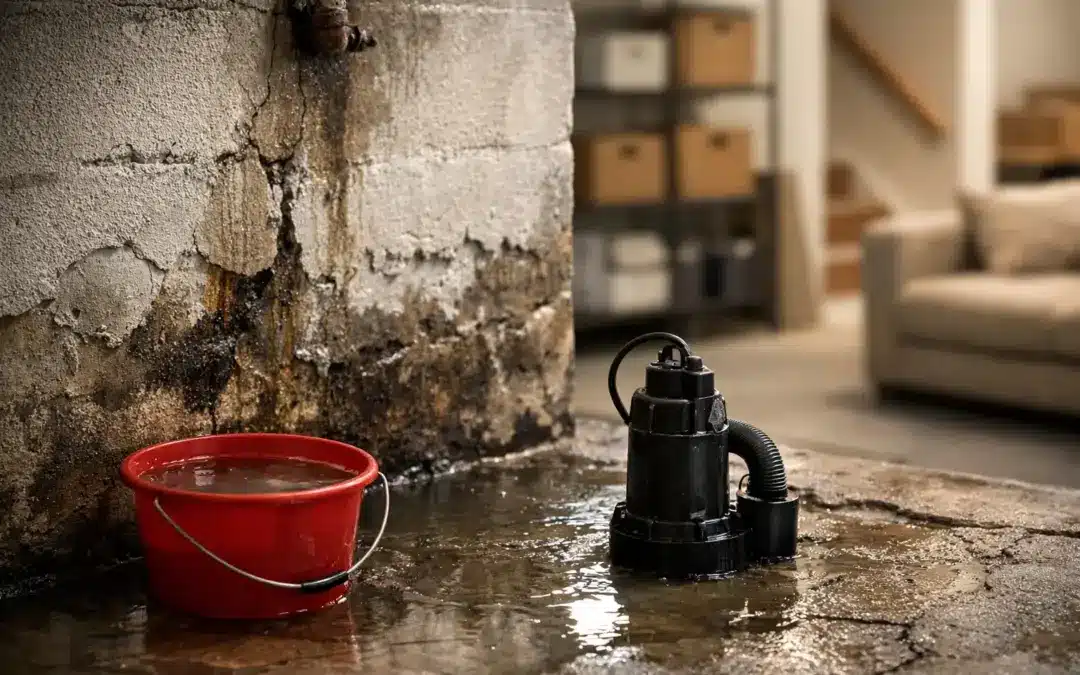
A basement usually tells on itself long before there is standing water on the floor. The musty smell after rain, the peeling paint near one wall, the white chalky residue on block, or the small crack that seems a little darker every month – these are the early answers to the question of why waterproof basement spaces at all. Water intrusion rarely stays minor. It spreads, damages materials, affects air quality, and can turn a useful lower level into a recurring expense.
For homeowners in Greater Philadelphia, Southeast Pennsylvania, and South Jersey, this is not a theoretical issue. Older housing stock, mixed foundation types, seasonal storms, and fluctuating groundwater create real pressure on basement walls and floors. The mistake many homeowners make is waiting until the problem looks dramatic. By then, the repair is often broader and more expensive than it needed to be.
Why waterproof basement areas before major damage starts
Basement waterproofing is not just about keeping a floor dry. It is about controlling how water behaves around and under your home. When moisture gets through foundation walls, floor joints, window wells, pipe penetrations, or wall cracks, it does more than create a nuisance. It starts a chain reaction.
The first issue is damage to finishes and stored belongings. Cardboard boxes, furniture, drywall, flooring, and framing materials all suffer when damp conditions become routine. Even if you only see water a few times a year, repeated exposure can warp, stain, rot, and corrode materials over time.
The second issue is mold and air quality. A damp basement does not keep its air to itself. Air moves upward through the house, which means basement moisture can contribute to musty odors and mold concerns on the main living levels. If family members have allergies, asthma, or sensitivity to mold, a wet basement can become a whole-house problem.
The third issue is structural. Not every leak means a failing foundation, but some do point to hydrostatic pressure, expanding wall cracks, bowing walls, and settlement-related movement. Water is persistent. If it is entering through the same pathway repeatedly, the source needs to be identified and corrected instead of simply covered up.
The real reasons basements leak
One reason homeowners get bad advice is that not all basement leaks come from the same source. A contractor who recommends the same system for every home may solve some cases, but that approach can also waste money. If you want to understand why waterproof basement problems happen, you have to start with diagnosis.
In some homes, the issue is exterior grading. If the soil slopes toward the foundation, rainwater collects where it should not. In others, the culprit is clogged or undersized gutters and downspouts dumping roof runoff too close to the house. Some leaks come through porous masonry walls. Others show up at the cove joint where the wall meets the floor because groundwater is rising beneath the slab.
Cracks are another major source. A vertical crack may be relatively straightforward to seal if it is stable and isolated. A stair-step crack in block or brick can suggest a different water path and possibly movement. Window wells, bulkhead entries, old utility penetrations, and failed sump systems all create their own patterns.
That is why surface symptoms can be misleading. A wet spot on one side of the basement does not always mean the water started there. Moisture can travel behind finishes, along footing lines, or through hollow block cores before becoming visible. A precise inspection matters because the right repair depends on the true entry point.
Waterproofing is not one product
Homeowners are often sold the idea that basement waterproofing means installing one big system and calling it done. Sometimes a full interior drainage system and sump pump is exactly the right answer. Sometimes it is not.
If the leak is coming from a single wall crack, targeted crack repair may solve it permanently for far less. If the issue is exterior water loading caused by poor drainage, correcting grading and discharge points may reduce or eliminate the intrusion. If one section of wall is failing, structural reinforcement may need to happen before or alongside waterproofing.
A science-driven approach saves money because it separates symptom control from source correction. There is a place for interior systems, vapor barriers, sump pumps, dehumidification, wall stabilization, and exterior waterproofing. The key is using the right combination for the home in front of you, not the last ten homes a contractor visited.
What happens when you put it off
Delaying waterproofing usually feels cheaper in the short term. In practice, it often creates layered costs.
A minor seepage issue can become mold remediation. A narrow crack can widen with freeze-thaw cycles and soil pressure. Repeated dampness can ruin finished basement materials that are expensive to remove and replace. If you are planning to sell, visible water problems can also raise inspection concerns and weaken buyer confidence.
There is also the hidden cost of limited use. Many homeowners stop storing valuable items in the basement, avoid finishing the space, or live with constant anxiety during heavy rain. That is a real loss of function and peace of mind. A basement should be part of your home, not the part you monitor every storm.
Why the cheapest fix is often the most expensive one
Paint-on sealers and quick patch products appeal to homeowners because they seem fast and affordable. Some have a place as part of a broader repair. On their own, they are rarely the full answer when active water pressure is involved.
Waterproof coatings can fail if moisture is still pushing through the wall from the outside or below. Caulk can hide a crack without addressing movement or depth. Replacing damaged drywall without drying the area and stopping the leak just resets the clock.
The better question is not, “What is the cheapest thing I can do today?” It is, “What repair stops this problem permanently with the least unnecessary work?” Those are not the same question. Permanent results come from identifying the source, understanding the pressure conditions, and choosing a repair method that fits the structure.
Why waterproof basement work should be tailored to the house
No two basements leak in exactly the same way, especially in this region. A stone foundation in an older Philadelphia-area home behaves differently than a poured concrete foundation in a newer South Jersey property. Soil conditions, water table changes, landscaping, additions, and age all matter.
That is why a proper inspection should look at more than the obvious stain on the wall. It should consider exterior drainage patterns, crack types, wall movement, signs of hydrostatic pressure, previous repair attempts, and the condition of pumps or drainage components already in place. The goal is to avoid overbuilding the solution and to avoid missing the real cause.
This is where homeowners benefit from working with specialists instead of generalists. Basement Waterproofing Scientists, for example, emphasizes leak detection and problem-specific recommendations because precision matters. If the source is isolated, the repair should be isolated. If the problem is bigger, the scope should reflect that honestly.
Signs you should not ignore
You do not need inches of water to justify an inspection. Repeated damp smells, efflorescence, rust on metal items, bubbling paint, floor moisture near wall edges, visible cracks, bowing walls, and recurring sump pump activity can all point to a water management problem. So can mold growth, especially in corners or behind finished surfaces.
Sometimes the basement feels dry most days but becomes humid or musty after storms. That still counts. Moisture intrusion is often intermittent at first. Catching it early gives you more repair options and typically lower costs.
What a smart waterproofing plan looks like
A good plan starts with evidence, not assumptions. It identifies where the water enters, why it enters, and whether the issue is isolated, systemic, or partly structural. From there, the solution can be as simple as a crack injection and drainage correction or as comprehensive as an interior water management system with pump replacement and wall repair.
The right contractor should be able to explain the trade-offs. Interior systems manage water after it enters the wall or footing area. Exterior corrections aim to reduce water reaching the foundation in the first place. Structural repairs address stability, not just moisture. In many homes, the best answer is a combination, but only where the conditions justify it.
Homeowners deserve that level of clarity. You should know what is causing the problem, what the repair will do, and what it will not do. You should also understand the long-term value of the work, especially when warranties and permanent performance are part of the conversation.
If your basement has been showing even subtle signs of moisture, waiting for a bigger leak is rarely the practical choice. Dry, stable basements are not created by guesswork. They come from accurate diagnosis, economical repairs, and fixing the actual problem before it spreads.