

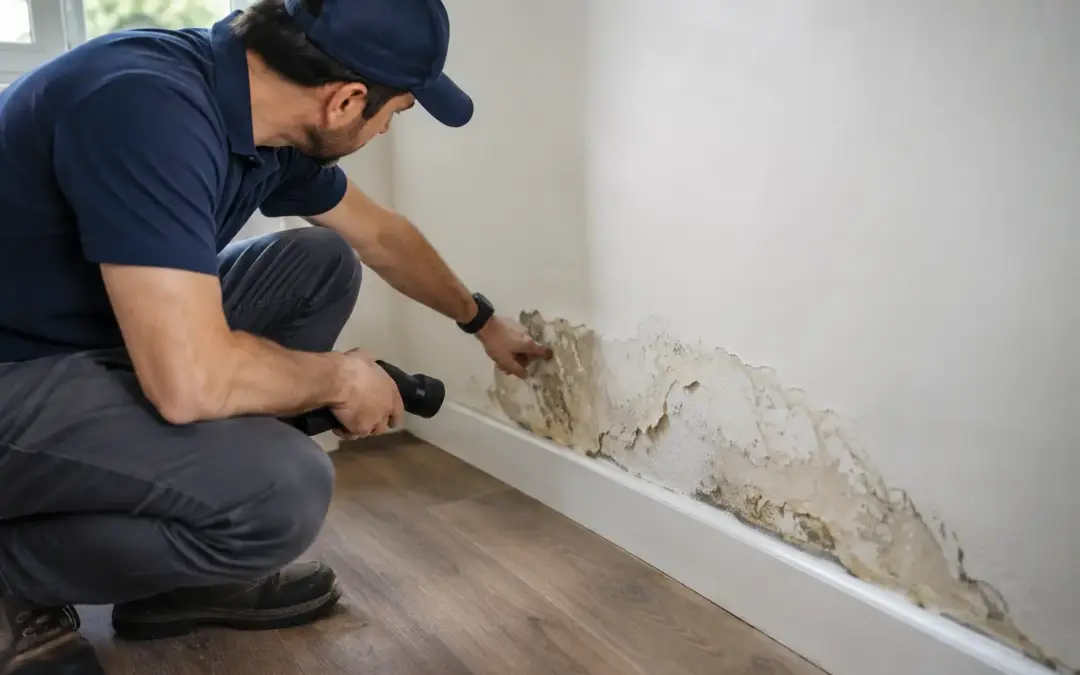
A wet basement floor after a hard Philadelphia rain is not always a basement waterproofing problem. Water damage may come from a wall crack, an overflowing gutter, poor grading, a failing window well, a plumbing line, or groundwater pressure below the slab. The visible puddle shows where water collected, not necessarily where it entered.
That distinction matters. Repairing the wrong area can mean paying for work that does not stop the leak. A lasting repair begins by identifying the water path, the pressure driving it, and the condition that allows it into the home.
What Water Damage Can Do to a Home
Water has a way of making small defects more expensive over time. A hairline foundation crack can widen through freeze-thaw cycles. Damp framing can support mold growth. Repeated moisture can ruin finished walls, insulation, flooring, stored belongings, and electrical components near the floor.
In older homes across Southeast Pennsylvania and Southern New Jersey, basements often have several overlapping issues. A home may have aging exterior drainage, original concrete walls, settled soil, and a finished basement that hides early warning signs. One rainstorm may expose a problem that has been developing for years.
Water damage also affects more than appearance. Persistent moisture can create musty odors, elevated indoor humidity, peeling paint, efflorescence on masonry, rusted appliances, and concerns about air quality. When water is entering near a foundation wall, it can also signal conditions that deserve a closer look before they become structural repairs.
The First Step Is Finding Where the Water Is Coming From
The most economical solution is not always the largest waterproofing system. It is the repair that addresses the actual source of intrusion. That requires a diagnostic inspection rather than a quick assumption based on a wet spot.
A qualified inspection should consider what happens before, during, and after rainfall. Does water appear only after heavy storms? Does it collect in one corner? Is the basement damp all year, even during dry weather? Did the problem begin after a new patio, roof replacement, plumbing renovation, or landscaping project?
Those details narrow the possibilities. Water that enters immediately during rain may point to a wall crack, window well, failed exterior seal, or surface runoff. Water that rises through slab cracks after prolonged rain can indicate hydrostatic pressure. Moisture that appears without rain may be a plumbing leak, condensation issue, or a drainage system malfunction.
At Basement Waterproofing Scientists, the focus is on scientific leak detection that traces the cause instead of recommending a one-size-fits-all package. That approach helps homeowners avoid paying for unnecessary work while still getting a repair designed to last.
Common Sources of Basement Moisture
Foundation wall cracks are a frequent entry point, especially in poured concrete walls. Even a narrow crack can allow significant water through when the surrounding soil is saturated. The right repair depends on the crack’s location, movement, width, and whether it is actively leaking.
Exterior drainage issues are equally common. Clogged gutters, short downspouts, negative grading, and saturated mulch beds can direct roof runoff toward the foundation. In many cases, correcting these conditions reduces the water load on basement walls. They may not be the only repair needed, but they should not be ignored.
Window wells can also collect water if they lack proper drainage, have damaged covers, or sit below poorly graded soil. A leaking basement window can look like a major wall failure when the real issue is a flooded well.
Below-grade water pressure is different. When groundwater builds around the foundation, it presses against walls and the basement floor. Interior drainage and sump pump systems can be appropriate in this situation because they relieve water pressure and direct collected water away from the home. The key is confirming that groundwater pressure is truly part of the problem.
Signs You Should Not Wait to Investigate
Some water events are obvious, such as a flooded basement after a storm. Others are subtle and easier to postpone. Waiting can allow a manageable repair to become a larger cleanup, mold, or finishing project.
Watch for these warning signs:
- A musty basement smell that returns after cleaning or airing out the space
- White, chalky mineral deposits on concrete or masonry walls
- Peeling paint, bubbling wall finishes, or warped baseboards near exterior walls
- Damp carpet, stained flooring, or rust on stored metal items
- Cracks that are wet, discolored, widening, or showing signs of repeated seepage
Not every stain means active leakage. A past plumbing incident can leave discoloration long after the area has dried. On the other hand, a wall that looks dry on inspection day may leak only during specific storm conditions. This is why the history of the problem matters as much as the visible evidence.
What to Do When You Find Water in the Basement
Start with safety. If water is near outlets, appliances, electrical panels, or extension cords, avoid entering the affected area until it is safe to do so. If the water is from a burst supply line, shut off the home’s water supply if you can do it safely and contact a plumber. If sewage is involved, keep people and pets away from the area because contaminated water requires specialized cleanup.
For a rain-related leak, take clear photos and note the date, weather conditions, and where water first appeared. Do not rush to cover the evidence with new drywall, paint, or flooring. Drying the space is necessary, but documenting the pattern can help identify the entry point.
Move valuables off the floor and remove wet cardboard, fabric, or other absorbent materials promptly. Use fans and dehumidification once the source is controlled. If there is extensive wet drywall, insulation, or visible mold growth, professional assessment may be appropriate. Drying alone does not correct the condition that brought water inside.
Choosing the Right Repair for the Cause
There is no single best solution for every basement. A targeted crack repair may be enough for a localized leak. Regrading and downspout extensions may solve a surface-water problem. A properly designed interior drainage system may be the practical long-term answer for recurring groundwater intrusion. Some homes need a combination of repairs.
Be cautious of proposals that recommend the same full-system installation before the source has been evaluated. A comprehensive system can be valuable when conditions justify it, but it should solve a demonstrated problem. Ask what evidence supports the recommendation, what areas will be repaired, where water will discharge, and what warranty applies to the specific work.
You should also ask whether the repair addresses active water entry, moisture vapor, or both. Concrete can release moisture vapor even when liquid water is not visibly leaking. That distinction affects decisions about basement finishing, flooring, insulation, and mold prevention.
Permanent Repairs Protect More Than the Basement
A dry basement protects the rest of the house. It preserves finished living space, keeps stored belongings safer, supports healthier indoor conditions, and makes future improvements less risky. For homeowners planning to sell, it also reduces the difficult questions that arise when buyers see stains, odors, or visible foundation cracks.
The best time to investigate is before the next major storm, not after another round of cleanup. A careful inspection can separate a simple drainage correction from a deeper foundation or waterproofing issue, giving you a clear path forward without guesswork.
If your basement has recurring dampness, stains, or leaks, treat the pattern as useful evidence. The water is telling you something about the home. Finding that message early is often the most cost-effective way to keep a small problem from taking over your basement.