

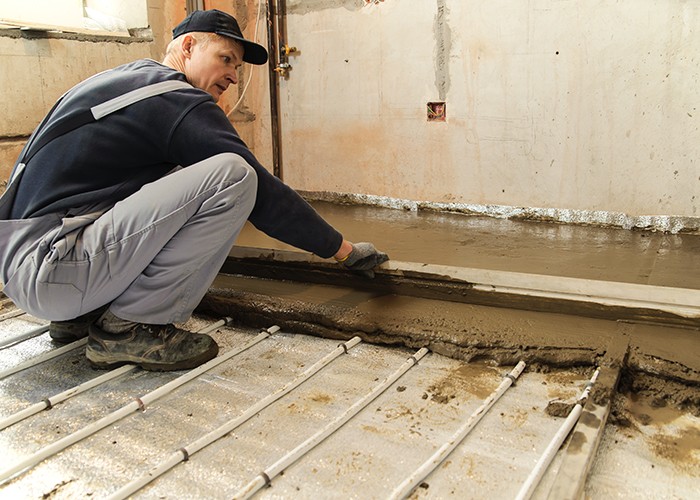
Basements are often the most likely part of a house to get wet. Water can sneak in slowly and cause damage to walls, floors, and your things. With basement waterproofing in Philadelphia, you can keep your home safe, stop leaks, and prevent mold. Knowing how waterproofing works and spotting early signs of water helps you save money and stress. Many homeowners think a little water is harmless, but even small amounts can lead to serious problems over time. A wet basement can weaken walls, floors, and stored items. It can also make your home less comfortable and safe. Waterproofing stops these problems before they start and keeps your home dry for years.
How Water Sneaks In
Even small leaks can cause big problems over time. You might see damp spots on walls or floors, or smell a musty odor. These are signs that water is entering your basement and could lead to mold or foundation damage if not fixed.
Water can come through tiny cracks, gaps around windows, or the floor. It may also come from poor drainage outside your home, causing water to pool near the foundation. Finding these signs early lets you fix problems before they get worse.
Other warning signs include warped floors, peeling paint, and rust stains on metal fixtures. These are all signals that water is affecting your basement and should not be ignored. Catching these early can save thousands in future repairs.
How Waterproofing Keeps Basements Dry
Waterproofing stops water from coming into the basement. Inside, wall sealants, sump pumps, and drainage pipes remove water. Outside, digging and sealing the foundation keeps water away.
This two-step approach keeps your basement dry, prevents mold, and protects your home’s structure. Unlike temporary fixes like fans or buckets, waterproofing works all the time.
The system also directs water away from your home safely. Pipes and channels guide the water out, reducing pressure on walls and preventing leaks from getting worse. Over time, this helps your basement stay dry even during heavy rain or snow melt.
Protecting Your Family from Mold
Mold grows fast in damp basements. It can damage walls, smell bad, and even cause health problems like allergies. Waterproofing lowers moisture and stops mold from spreading.
A dry basement creates a safe space for your family and keeps bad smells away. It’s important if your basement is used as a playroom, storage, or living area.
Regular inspections after waterproofing help make sure mold doesn’t sneak back in. Checking corners, pipes, and floors keeps the basement safe and healthy for your family.
Keeping Your Stuff Safe
Basements often hold furniture, electronics, or keepsakes. Even small leaks can ruin these items over time. Waterproofing keeps your belongings safe from water damage.
Boxes, furniture, electronics, and personal items remain dry. Homeowners don’t have to worry about replacing things lost to leaks. This protection also increases the usable space in the basement, allowing for storage or extra rooms without risk.
Saving Money Over Time
Fixing water damage after it happens is expensive. Waterproofing stops leaks before they cause big problems.
A dry basement lowers the chance of mold, foundation damage, and high repair costs. It’s an investment that saves money and stress in the long run.
Homes with waterproofed basements may also have higher property value. Buyers feel confident knowing the basement is protected, which can make your home more attractive if you decide to sell in the future.
Picking the Right Waterproofing for Your Basement
Every basement is different. Some need inside systems like sump pumps or drainage channels. Others need outside protection, like foundation sealing.
A professional checks your basement and soil to choose the right solution. This ensures water is blocked and your home stays safe for years.
Professional evaluation also identifies hidden risks like underground water flow, cracks behind walls, or clogged drains. Fixing these early improves the effectiveness of your waterproofing system and prevents future leaks.
Taking Care of Your Waterproofing
Once installed, waterproofing needs simple care. Check sump pumps, pipes, and sealants to make sure water flows away from your basement.
Doing this keeps your basement dry for decades and protects your walls, floors, and belongings. Small maintenance, like cleaning drains or checking pumps, ensures the system works even during heavy rain or snow.
Acting Early Protects Your Home
Waiting until water causes damage costs more. Fixing leaks early keeps your basement dry, protects your health, and keeps your house valuable.
A well-installed system gives peace of mind, knowing your home is safe from leaks, mold, and damage. Early action also avoids long-term foundation problems that can be expensive and disruptive to repair.
Waterproofing is not just a fix; it is a long-term solution that secures your basement and home for years.
Ending Note:
Water in the basement can ruin walls, floors, and personal items. At Basement Waterproofing Scientists, we specialize in basement waterproofing in Philadelphia. Our systems keep basements dry, protect your family, and safeguard your belongings.
Don’t wait for water damage to get worse. Contact Basement Waterproofing Scientists today for expert basement waterproofing that keeps your home safe and dry.
FAQs:
Q1: How does basement waterproofing prevent water damage?
Our waterproofing systems stop water from entering your basement, protecting walls, floors, and belongings.
Q2: Will waterproofing my basement prevent mold and mildew?
Yes, by keeping moisture out, our system stops mold and mildew from growing and spreading.
Q3: How long does basement waterproofing last?
With proper installation and care, our basement waterproofing can keep your basement dry for decades.
Q4: Can basement waterproofing increase my home’s value?
Absolutely, a dry basement boosts safety and livable space, making your home more attractive to buyers.
Q5: Do I need professional help for basement waterproofing?
Yes, our experts assess your basement and install the right system for lasting protection and safety.