

Understanding Foundation Drain Tile Basics
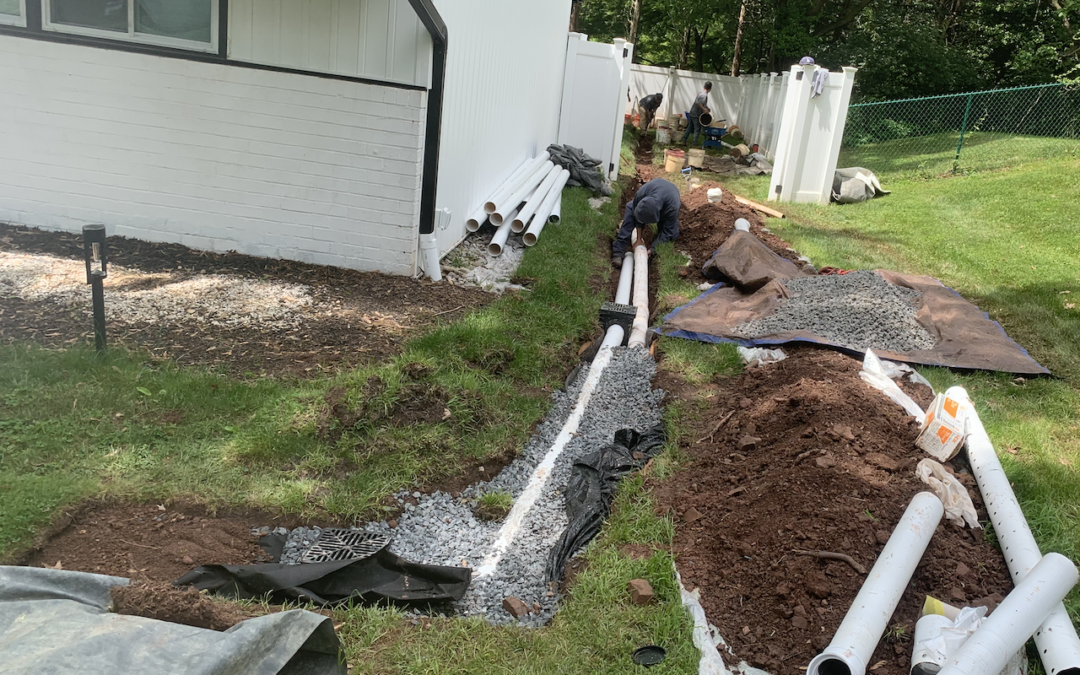
Foundation drain tile is a perforated pipe system installed around your home’s foundation to collect and redirect groundwater away from your basement. This critical system prevents water from building up against your foundation walls and seeping into your basement.
Quick Answer: What is Foundation Drain Tile?
- What it is: A drainage system using perforated pipes wrapped in gravel and filter fabric
- Where it goes: Around the foundation perimeter, either beside or on top of the footer
- How it works: Collects groundwater through perforations and channels it away via gravity or sump pump
- Also called: French drain, weeping tile, footing tile, perimeter drain
- Purpose: Prevents basement flooding by managing hydrostatic pressure and groundwater
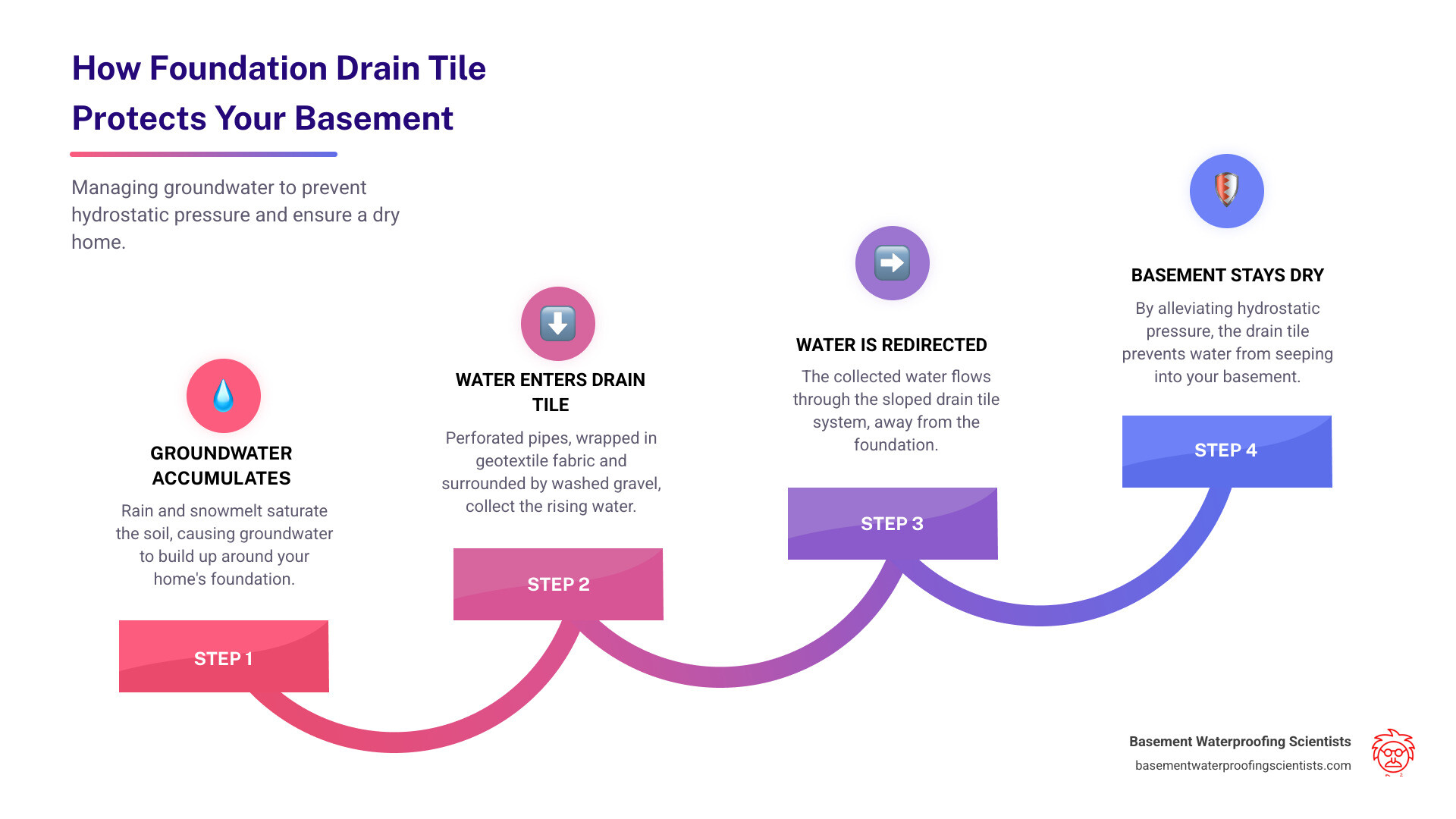
Water in the basement after heavy rain is a common, frustrating problem. The soil around your home can become saturated, causing the water table to rise. This creates hydrostatic pressure—immense force from groundwater—that pushes moisture through even the smallest cracks in your foundation.
That’s where foundation drain tile comes in. A properly installed drain tile system gives that water a path of least resistance—away from your foundation instead of through it.
The big question that contractors and homeowners debate: should the drain tile pipe sit beside the footer or on top of it? This seemingly small detail can make a significant difference in how well your system works and how dry your basement stays.
With over 30 years in basement waterproofing, we’ve seen that proper drain tile installation is the key to a dry, usable basement, preventing the recurring nightmare of water damage. This guide will walk you through everything you need to know to make the right choice for your home.
Similar topics to foundation drain tile:
How Foundation Drain Tile Works to Keep Your Basement Dry
At its core, a foundation drain tile system is an ingenious way to manage groundwater. It’s a critical component of a complete home water management strategy, working in conjunction with foundation sealing and other waterproofing methods.
System Components and Water Collection
A typical foundation drain tile system consists of several key elements working in harmony:
- Perforated Pipe (Drain Tile): This is the heart of the system, usually made of 4-inch rigid PVC or flexible corrugated plastic. The perforations, ideally facing down in the 4 and 8 o’clock positions, allow water to enter. Traditional clay or concrete “weeping tiles” were used in older homes; you can read more historical background in this general overview of French drains.
- Washed Gravel: The pipe is laid in a bed of clean, washed gravel. This creates a highly permeable zone for water to flow easily toward the pipe and helps filter out large debris.
- Geotextile Filter Fabric: This specialized fabric wraps around the gravel bed, acting as a final barrier. It allows water to pass through but prevents fine silt and soil from migrating into the gravel and clogging the pipe.
The Water Collection Process
When water accumulates in the soil around your foundation, it seeks the path of least resistance. The gravel bed is far more permeable than the surrounding soil, so water flows into it, seeps through the pipe’s perforations, and is channeled away. This continuous collection and redirection prevent water from building up hydrostatic pressure against your basement walls.
To learn more about how our systems work, visit our page about drainage systems.
The Role of a Sump Pump
For many homes, a sump pump is an indispensable part of the system. The drain tile collects water and channels it to a sump pit in the basement. A pump inside the pit automatically activates when the water level rises, pumping it through a discharge pipe safely away from your home. This discharge pipe should extend at least 6 to 10 feet from the foundation and slope downward to prevent water from re-circulating.
Sump Pump Backup Systems
Given the pump’s importance, a backup system is wise for power outages. Common options include battery backups, which are most popular; water-powered backups that use municipal water pressure; and generator backups.
Discharge Options: Daylighting vs. Sump Pit
The collected water needs somewhere to go. There are two primary discharge methods:
- Daylighting: If your property slopes away from the house, the pipe can extend downslope and discharge water directly onto the surface far from the foundation. This is the ideal, pump-free option.
- Sump Pit: For homes without sufficient slope, the drain tile directs water to an interior sump pit, where a sump pump pushes the water out to a safe location. Draining sump pumps into floor drains or sanitary sewers is illegal in many areas.
The Placement Debate: Beside vs. On Top of the Footer
When installing foundation drain tile, one of the most critical decisions is its exact placement relative to your home’s footer—the concrete base that supports your foundation wall. The debate revolves around whether the drain tile should sit beside the footer or on top of it.
Option 1: Installing Drain Tile Beside the Footer
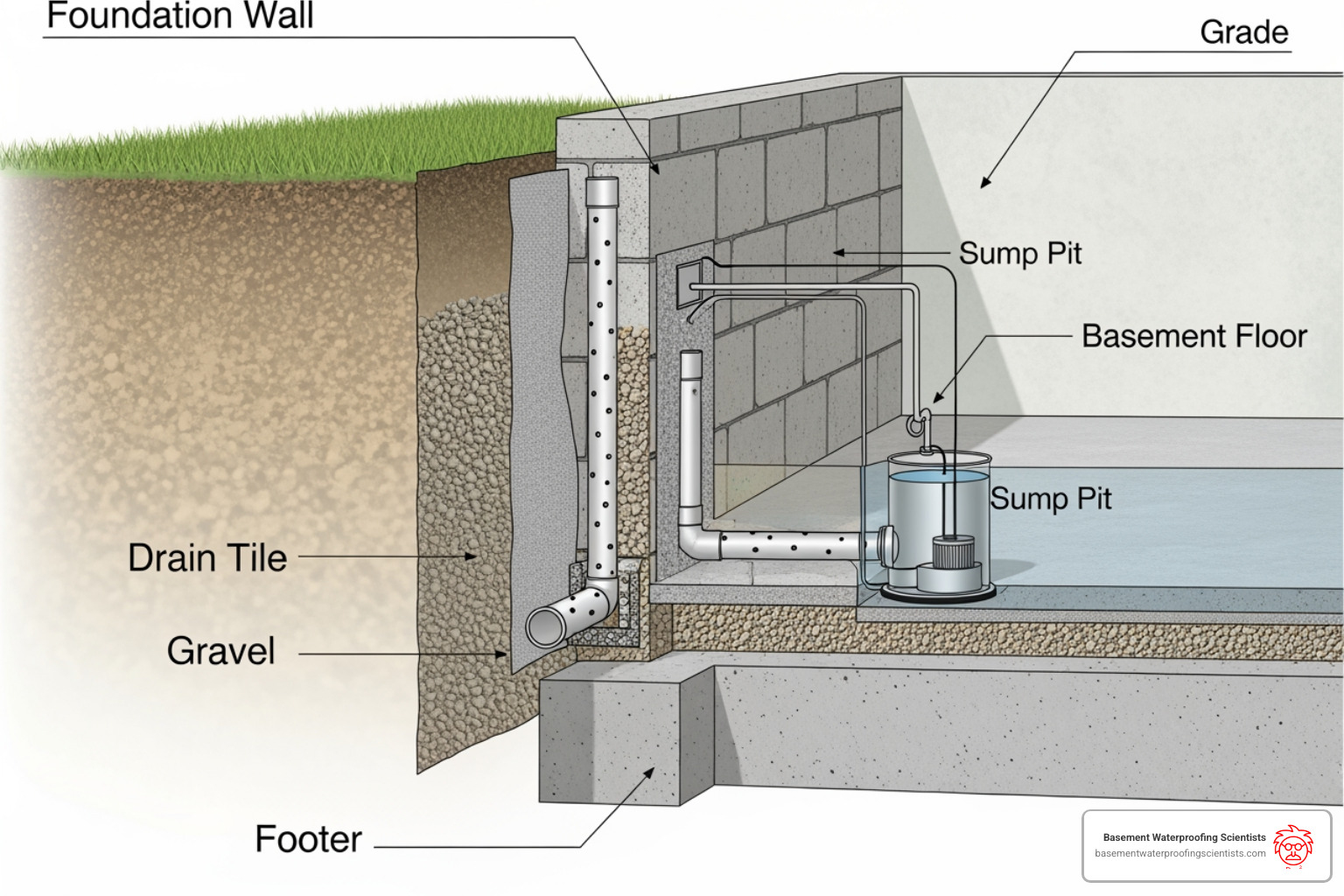
This method involves placing the foundation drain tile pipe alongside the exterior of the footer, with the top of the pipe at or below the top of the footing.
Technique Explained:
A trench is dug so the pipe sits lower than the base of your foundation wall. The pipe is then surrounded by washed gravel and wrapped in filter fabric.
Lowering the Water Table:
Placing the drain tile beside the footer is highly effective because it significantly lowers the water table around your foundation. It intercepts groundwater at a deeper level, preventing water from creating pressure against the lower foundation and under your basement slab. This method can lower the water table an additional 6-8 inches compared to placing it on top of the footer.
Considered Best Practice:
Most waterproofing professionals and engineers consider placing the drain tile beside the footer the gold standard. It’s crucial for keeping the entire basement slab dry by intercepting water at the lowest possible point. Caution is needed, however, as placing the drain tile too low or too close can undermine the footing. Professional expertise is vital to avoid this structural risk.
New Construction Considerations:
This placement is easiest to achieve during new construction. We recommend installing the drain tile immediately after the footing forms are removed, before backfilling. In many areas of Pennsylvania, New Jersey, and Delaware, drain tile is often required for new construction.
Option 2: Installing Drain Tile On Top of the Footer
This alternative method involves placing the foundation drain tile directly on top of the concrete footer.
Technique Explained:
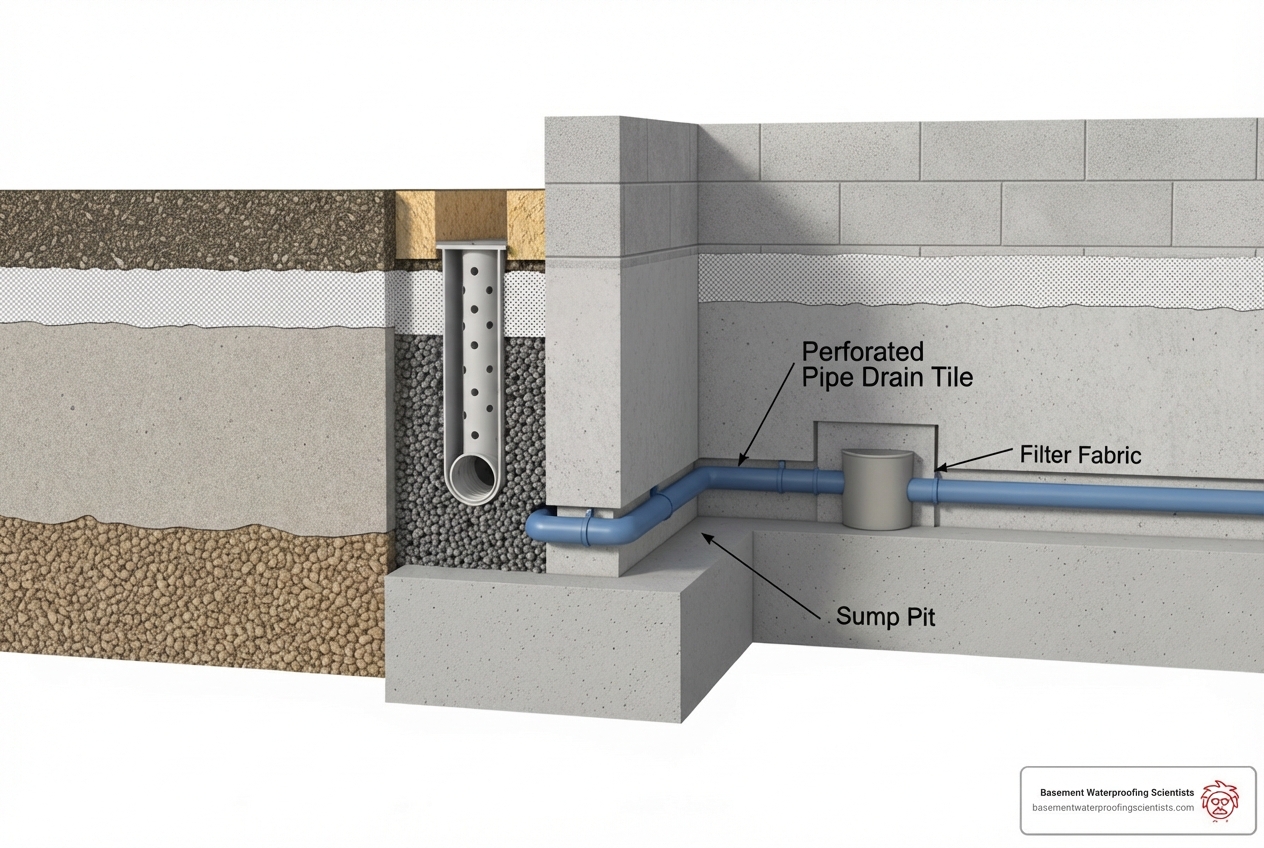
The perforated pipe sits on the flat surface of the footer, surrounded by gravel and filter fabric. This approach is often seen as a quicker, less complex installation requiring less excavation depth.
Drawbacks:
This method comes with significant drawbacks:
- Less Effective Water Table Reduction: Because the pipe is higher, it won’t lower the water table as effectively. Water can still accumulate under your basement slab, leading to moisture issues.
- Pipe Must Be Below Slab Level: It’s crucial that the top of the drain tile pipe is always below the surface level of your interior basement slab. If it’s higher, water could fail to drain effectively from beneath the slab.
The Verdict: What Experts Recommend
After 30 years in the business, our verdict is clear: installing foundation drain tile beside the footer is almost always superior for long-term performance and basement dryness.
Comparison of Pros and Cons:
| Feature | Drain Tile Beside Footer | Drain Tile On Top of Footer |
|---|---|---|
| Effectiveness | Excellent, lowers water table significantly | Good, but less effective at deep water table reduction |
| Hydrostatic Pressure | Minimizes pressure against walls and under slab | May still allow some pressure under slab |
| Installation Ease | More complex, requires precise excavation | Simpler, less excavation depth |
| Risk of Undermining Footer | Possible if installed too low without care | Minimal |
| Cost (New Construction) | Slightly higher labor, but superior long-term value | Slightly lower labor, but potentially higher future costs |
While placing the drain tile on top of the footer might seem simpler, the long-term benefits of placing it deeper, beside the footer, far outweigh these minor advantages. The system’s success hinges on proper installation. This is not a DIY project; it requires specialized knowledge of soil, drainage, and excavation safety. Mistakes can lead to structural damage or system failure, making professional installation essential.
Interior vs. Exterior Foundation Drain Tile Installation
Beyond the debate of placement relative to the footer, homeowners often wonder about the two main methods of installing foundation drain tile: exterior or interior. Both aim to solve water problems, but they do so in different ways, each with its own set of benefits and drawbacks.
Exterior Drain Tile: A Proactive Defense
Exterior foundation drain tile is installed around the outside perimeter of your home’s foundation at the footing level. It’s a proactive approach that intercepts groundwater before it reaches your foundation walls.
Installation Process:
This is a significant undertaking. It involves excavating down to the footer, cleaning and applying a durable waterproofing membrane to the foundation wall, installing a protective dimple board to create an air gap, laying the drain tile beside the footer in gravel and fabric, and carefully backfilling the trench.
Benefits:
- Stops Water Externally: The biggest advantage is that it intercepts groundwater before it can put pressure on your foundation walls. This is considered “positive side” waterproofing.
- Protects Foundation Walls: It helps preserve the integrity of your foundation, which is especially critical for older masonry where mortar joints are prime leak points.
- Minimizes Interior Disruption: An exterior system avoids tearing up a finished basement.
Drawbacks:
- Expensive Retrofit: Retrofitting exterior drain tile in an existing home is a major construction project. It requires excavation down to the footer, which can be very costly and is highly disruptive to landscaping, patios, and decks.
Interior Drain Tile: A Water Management Solution
Interior foundation drain tile systems are installed inside your basement under the concrete floor. This method manages water after it has entered the basement environment but before it can cause damage.
Installation Process:
This process is generally less disruptive to your yard. It involves breaking a trench in the basement floor along the perimeter, digging down to the footing, laying the perforated pipe and gravel, connecting it to a sump pit using specialized basement drainage channels, and pouring new concrete to restore the floor.
Benefits:
- Less Disruptive to Landscaping: Since all work is done inside, your yard remains untouched.
- Affordable Retrofit: For existing homes, interior systems are generally a more affordable and less invasive retrofit option.
- Effective for Water Management: It effectively collects water that seeps through the wall or up from under the slab, channeling it to the sump pump before it can flood your floor.
Drawbacks:
- Manages Water After Entry: The primary drawback is that water must enter the basement envelope before it’s collected.
- Doesn’t Stop Wall Saturation: Your foundation walls can remain damp, potentially contributing to humidity or efflorescence (white mineral deposits).
- Interior Disruption: The installation process involves significant noise and dust inside your basement.
Common Problems and Essential Maintenance
Even the best foundation drain tile systems require attention to ensure they continue protecting your home. Understanding common problems and practicing routine maintenance can save you from costly repairs.
Why Foundation Drain Tile Systems Fail
Here are some common reasons why foundation drain tile systems might fail:
- Clogging from Silt and Roots: This is the most frequent culprit. Fine soil, clay, or tree roots can block the pipe, especially if the filter fabric or gravel bed was improperly installed. We have specific guides on cleaning out weeping tiles to address this.
- Improper Slope: If the pipe isn’t sloped correctly toward the discharge point, water can stagnate and deposit sediment, leading to clogs.
- Sump Pump Failure: The system fails if the pump breaks, the power goes out without a backup, or the pump is overwhelmed by extreme water volume.
- Crushed Pipes: Heavy surface weight from vehicles or construction can collapse the pipe, blocking flow. This is why durable pipe and proper backfilling are important.
- Discharge Line Problems: The line carrying water away can freeze, clog, or terminate too close to the foundation, causing water to recirculate.
- Palmer Valves: In older homes (pre-1954), these valves connecting to the sewer often rust shut, causing backups. These connections are now illegal in most areas.
Best Practices for System Longevity
To ensure your foundation drain tile system remains effective, follow these best practices:
- Regular Sump Pump Testing: Test your sump pump at least twice a year by pouring a bucket of water into the pit to ensure it activates and shuts off properly.
- Cleaning the Sump Pit: Periodically inspect and clean your sump pit of any debris or silt that could obstruct the pump.
- Ensuring Clear Discharge Lines: Check that the exterior discharge pipe is free of obstructions like leaves, dirt, or ice.
- Proper Grading and Gutter Maintenance: Ensure your landscape slopes away from the foundation and that gutters and downspouts divert roof runoff far from your house.
- Professional Inspections: If you notice any signs of water or unusual sump pump activity, have your system inspected by a professional to address problems before they escalate.
Frequently Asked Questions about Foundation Drain Tile
We get a lot of questions about foundation drain tile. Here are some of the most common ones we encounter in Pennsylvania, New Jersey, and Delaware:
How much does a foundation drain tile system cost?
The cost of installing a foundation drain tile system varies based on factors like interior vs. exterior installation, the perimeter length of your home, and site accessibility. Exterior systems are significantly more expensive to retrofit due to major excavation. While a simple French drain might average around $9,250, most comprehensive waterproofing projects that include drain tile range from $4,000 to $8,000. For a precise quote, a professional inspection is necessary.
For more detailed information on pricing, you can refer to our drain tile installation cost guide.
How can I tell if my house already has a drain tile system?
The easiest way is to look for a sump pit in your basement or crawl space. If you have one, you almost certainly have a drain tile system connected to it. Newer homes (built after the 1950s) are very likely to have an exterior system as it became standard practice. For older homes, the situation is trickier; some had systems connected to the sewer via a “Palmer valve,” which are often defunct today. Checking original building plans can also provide clues.
Is DIY drain tile installation a good idea?
In short, no. DIY installation is not recommended. It’s a major construction project with serious risks:
- Safety Hazards: Deep excavation is dangerous and risks trench collapse or hitting underground utility lines. OSHA has strict safety requirements.
- Structural Damage: Improper digging can undermine your home’s foundation, leading to severe and costly structural damage.
- Ineffectiveness: Incorrect slope, placement, or materials will result in a failed system that’s incredibly difficult and expensive to fix once buried.
- Cost of Errors: Fixing a failed DIY job often costs more than hiring a professional from the start.
With 30 years of experience, we’ve seen the complications that can arise from improper installation. It’s always best to find an experienced, trusted contractor for this critical home protection project.
Conclusion: A Dry Basement Starts with the Right Drainage
A properly installed foundation drain tile system is your home’s best defense against water damage. As we’ve discussed, placing the drain tile beside the footer, not on top of it, provides superior protection by lowering the water table and relieving hydrostatic pressure. This expert detail is crucial for long-term success.
Whether you opt for an exterior system to proactively stop water or an interior system to manage it, the goal is always the same: a dry, healthy, and usable basement. This isn’t just about preventing floods; it’s about safeguarding your home’s structural integrity, maintaining healthy indoor air quality, and protecting your property.
At Basement Waterproofing Scientists, we specialize in the unique challenges of properties in Pennsylvania, New Jersey, and Delaware. With 30 years of experience, we provide expert inspections and customized solutions, using specialized equipment to pinpoint leak sources. We believe in fixing leaks for less, and our work is backed by a lifetime guarantee.
Ready to ensure your basement stays dry? Contact us today for a free consultation and let our scientists design the perfect foundation drain tile system for your home. Learn more about our comprehensive drainage systems and how we can help you achieve a permanently dry basement.