

Why Knowing How to Check for Black Mold Could Save Your Home
How to check for black mold involves three essential steps: Look for dark spots and water damage, Smell for musty or earthy odors, and Locate common hiding spots like basements, bathrooms, and around leaks.
Quick Checklist to Identify Black Mold:
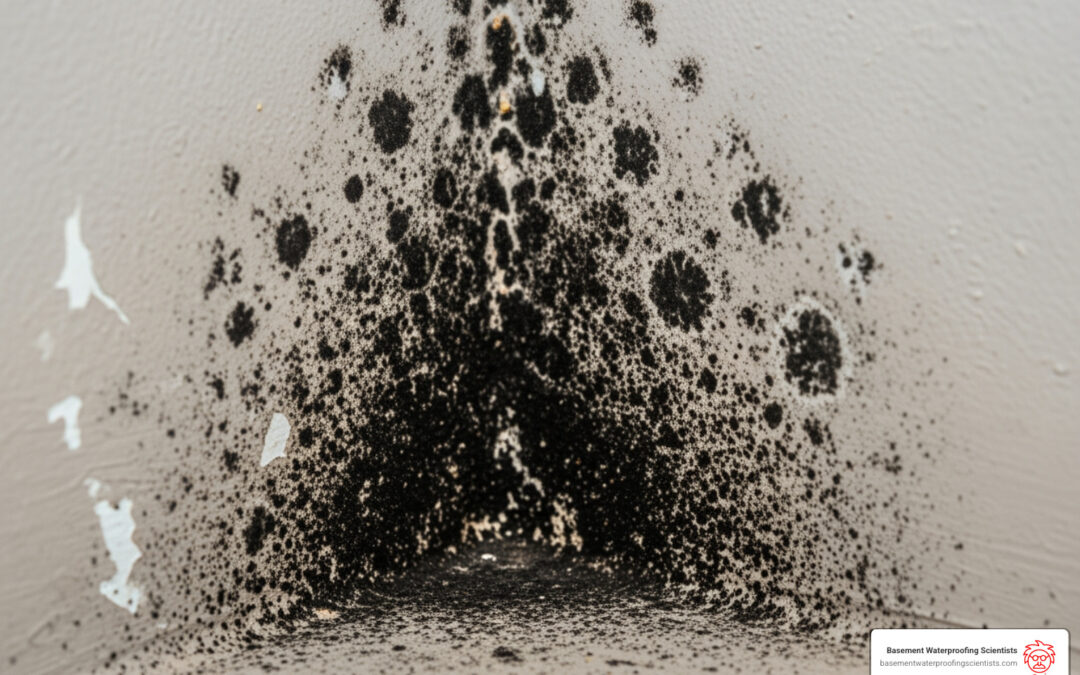
- Visual Signs – Dark green or black spots that appear slimy or fuzzy, often in circular patterns
- Odor – Musty, earthy smell similar to rotting leaves or damp soil
- Common Locations – Basements, crawl spaces, bathrooms, under sinks, around windows, and near HVAC vents
- Water Damage Indicators – Peeling paint, warped walls, water stains, or rust on pipes
Black mold—specifically Stachybotrys chartarum—is more than just an unsightly problem. It’s a health concern that thrives in damp, dark environments and feeds on cellulose materials like drywall, wood, and cardboard. When moisture problems go unaddressed, mold can begin growing within 24 to 48 hours.
The health risks are real. Mold exposure can trigger allergic reactions, worsen asthma, and cause respiratory issues—especially in children, elderly individuals, and those with weakened immune systems. For some people, symptoms include sneezing, coughing, red eyes, and skin rashes. In rare cases, prolonged exposure to toxic mold can lead to more serious health complications.
The good news? You don’t need expensive equipment or professional training to spot the warning signs. A thorough visual inspection, a keen sense of smell, and knowledge of where mold likes to hide can help you catch problems early—before they become costly repairs.
I’m Darin Garvey, and I’ve spent over 30 years helping homeowners in the Philadelphia area solve basement moisture problems that create the perfect environment for mold growth. Through this guide on how to check for black mold, I’ll share the proven detection methods our team uses to identify mold issues before they escalate.
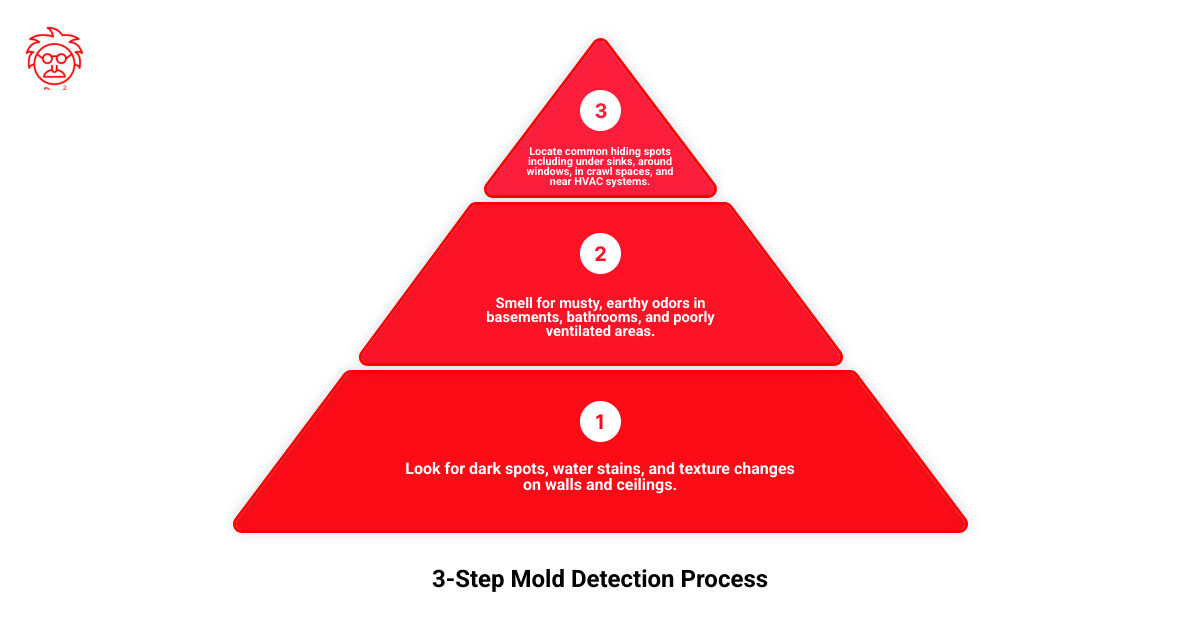
How to check for black mold terms explained:
Understanding Black Mold: What It Is and Why It’s a Problem
When we talk about “black mold,” we’re often referring to Stachybotrys chartarum, a microfungus that can appear very dark green, brown, or black. It’s a member of the fungus family, and while it doesn’t look like your typical mushroom, it shares the same basic need to grow: moisture.
Stachybotrys chartarum thrives in damp environments and feeds on materials rich in cellulose, such as paper products, wood products, and drywall. This means that if you have a leaky pipe, a damp basement, or water damage, your home provides the perfect buffet for this unwelcome guest. Mold growth can begin surprisingly quickly—within 24 to 48 hours of moisture exposure. This rapid growth underscores why quick action on water issues is critical.
One of the reasons Stachybotrys chartarum gets so much attention is its ability to produce mycotoxins, which are toxic substances. These mycotoxins can become airborne as spores are released, potentially affecting the indoor air quality of your home. It’s not just about the visible growth; it’s about the invisible particles that can impact your health and the overall air quality in your living space. This is why controlling moisture is key to reducing allergens and ensuring good basement-air-quality-improvement.
Black Mold vs. Other Common Molds
Not all black-colored mold is Stachybotrys chartarum. Many types of mold can appear black, dark green, or brown. However, all mold, regardless of its specific type or color, indicates a moisture problem that needs to be addressed. For most people, black mold is not significantly more dangerous than other types of mold, but its presence always warrants investigation and remediation.
To help differentiate, here’s a quick comparison of common mold types you might encounter:
| Type of Mold | Appearance | Texture | Common Location |
|---|---|---|---|
| Black Mold | Dark green, brown, or black | Often wet, slimy, or fuzzy | Water-damaged drywall, wood, paper products, basements, bathrooms |
| Mildew | White, gray, or yellowish | Powdery or downy | Shower curtains, window sills, damp fabrics |
| Green Mold | Various shades of green, sometimes blue or white | Fuzzy or velvety | Food, wood, textiles, bathrooms, basements |
While this table offers some general characteristics, visual identification alone isn’t enough to definitively identify a mold species. The critical takeaway is that any mold growth means you have a moisture problem, and that problem needs fixing.
Health Risks Associated with Mold Exposure
Mold spores are microscopic and can become airborne, making them easy to inhale without realizing it. For many people, this can lead to mild but irritating symptoms similar to a cold, such as sneezing, runny nose, and coughing. However, the health risks associated with mold exposure can vary significantly from person to person.
Here’s a breakdown of possible health effects, as highlighted by organizations like the Cleveland Clinic and the CDC:
- Allergic Reactions: This is the most common response. Exposure can cause symptoms like sneezing, runny nose, nasal congestion, watery eyes, itchy eyes, a sore throat, and skin rashes. These reactions occur when your immune system produces immunoglobulin E (IgE) antibodies in response to mold spores.
- Asthma Attacks: For individuals with asthma who are allergic to mold, exposure can trigger or worsen asthma symptoms, leading to wheezing, coughing, and shortness of breath.
- Respiratory Issues: Beyond asthma, mold exposure can contribute to upper respiratory tract symptoms, chronic bronchitis, and other respiratory infections.
- Vulnerable Groups: Certain individuals are more susceptible to severe reactions, including:
- Infants and children
- Elderly individuals
- People with pre-existing respiratory conditions (like asthma or COPD)
- Individuals with weakened immune systems (e.g., those undergoing chemotherapy, HIV/AIDS patients)
- People with chronic lung disease
These groups may experience more severe symptoms or even develop fungal infections in their lungs.
Even dead mold can still cause allergic reactions, which is why thorough removal is essential, not just killing the mold. If you’re experiencing persistent allergy-like symptoms, especially when at home, and they subside when you leave, it’s a strong indicator that indoor air pollutants, including mold, might be the culprit. Our team at Basement Waterproofing Scientists understands the importance of addressing these issues to improve your basement-air-quality-improvement.
A Step-by-Step Guide on How to Check for Black Mold
Knowing how to check for black mold in your home doesn’t require a science degree. It primarily involves keen observation and using your senses. We recommend conducting a complete inspection of all rooms annually, and always after any water event, no matter how small. Our guide on how-to-check-for-mold-in-house offers even more comprehensive tips.
Step 1: The Visual Inspection
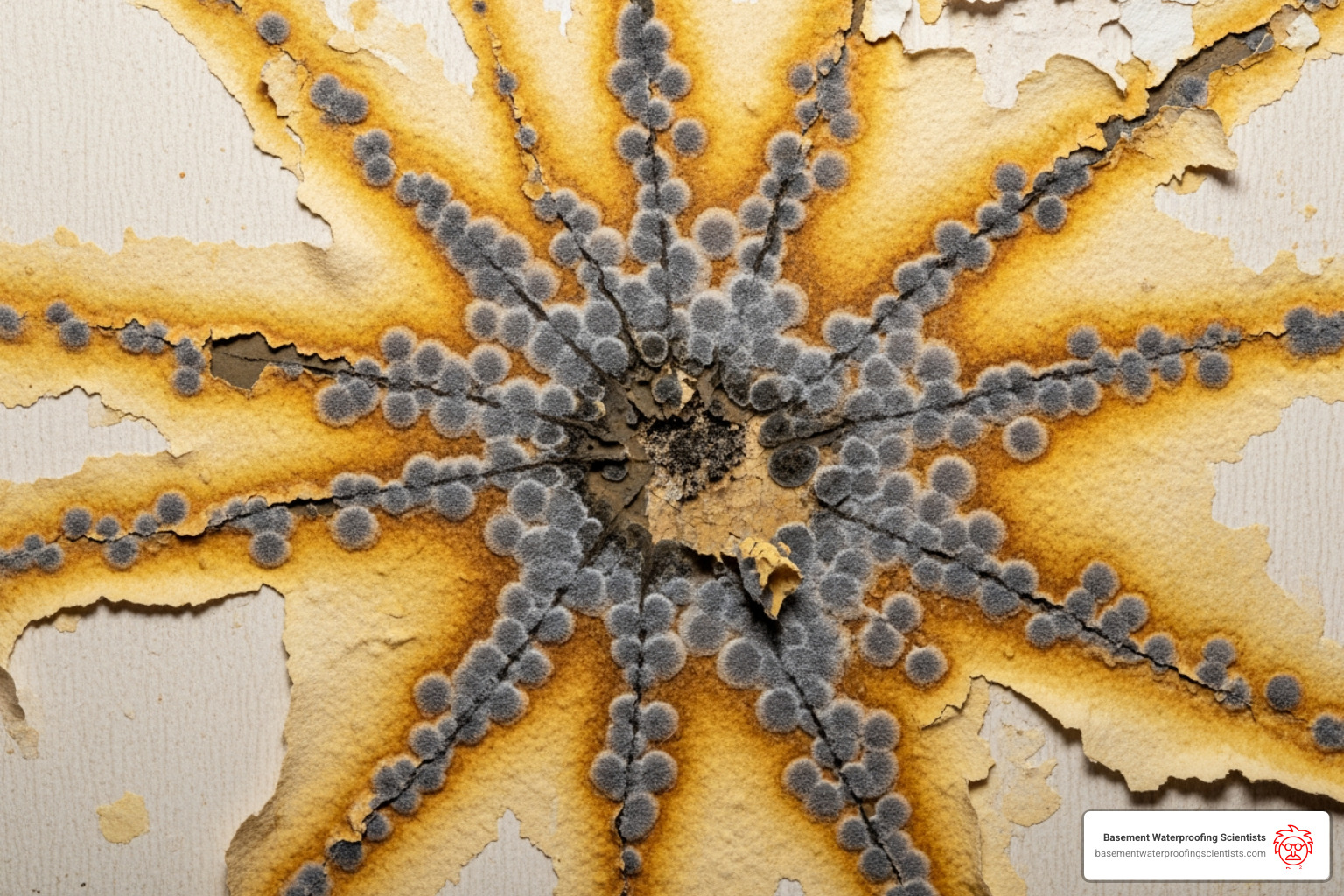
This is often the first and most obvious way to detect mold. Mold can appear in many colors, but when looking for Stachybotrys chartarum, you’re specifically searching for dark green, brown, or black spots.
Here’s what to look for:
- Dark Spots: These can be small, scattered specks or larger, spreading patches. They often form in circular patterns.
- Texture: Black mold often has a wet, slimy, or fuzzy appearance. If you gently wipe it, it might leave a greenish stain behind.
- Signs of Water Damage: Mold rarely grows without a moisture source. Look for indicators of past or present water issues, such as:
- Water Stains: Discoloration on walls, ceilings, or floors, often appearing as darker rings or blotches.
- Peeling or Bubbling Paint: Moisture behind the paint can cause it to lose adhesion.
- Warped or Buckling Walls/Flooring: Wood or drywall can swell and deform when exposed to excessive moisture.
- Efflorescence: A white, powdery, or crystalline deposit on masonry surfaces (like concrete or brick). This is not mold, but it’s a clear sign of water seepage through the material, creating a damp environment perfect for mold.
- Rust: Rust on drainpipes, for example, indicates condensation, which creates a damp surface where mold can grow.
Always check behind furniture, in closets, storage spaces, and especially in areas where pipes run through walls or floors.
Step 2: Follow Your Nose for Clues
Even if you can’t see mold, you might be able to smell it. Mold produces microbial volatile organic compounds (mVOCs), which create a distinct odor.
- Musty Smell: This is the most common descriptor. It’s often compared to the smell of old, damp clothes or a wet dog.
- Earthy Odor: Some people describe it as smelling like damp soil or rotting leaves.
- Other Scents: For Stachybotrys chartarum, some have described the smell as akin to rotting vegetables or even cedar.
If you notice a persistent musty or earthy smell in an area of your home, especially a basement or crawl space, it’s a strong indicator of hidden mold or excessive moisture, even if you can’t see any visible growth. Sometimes, our noses become accustomed to smells in our own homes, so asking a friend or family member to take a sniff can provide a fresh perspective. If you’re dealing with a persistent musty odor in your basement, our guides on remove-mold-smell-from-basement and dry-basement-musty-odor-what-could-be-causing-it can help.
Step 3: Know the Common Hiding Spots
Mold thrives in damp, dark, and poorly ventilated environments. Knowing its favorite hiding spots can help you narrow down your search.
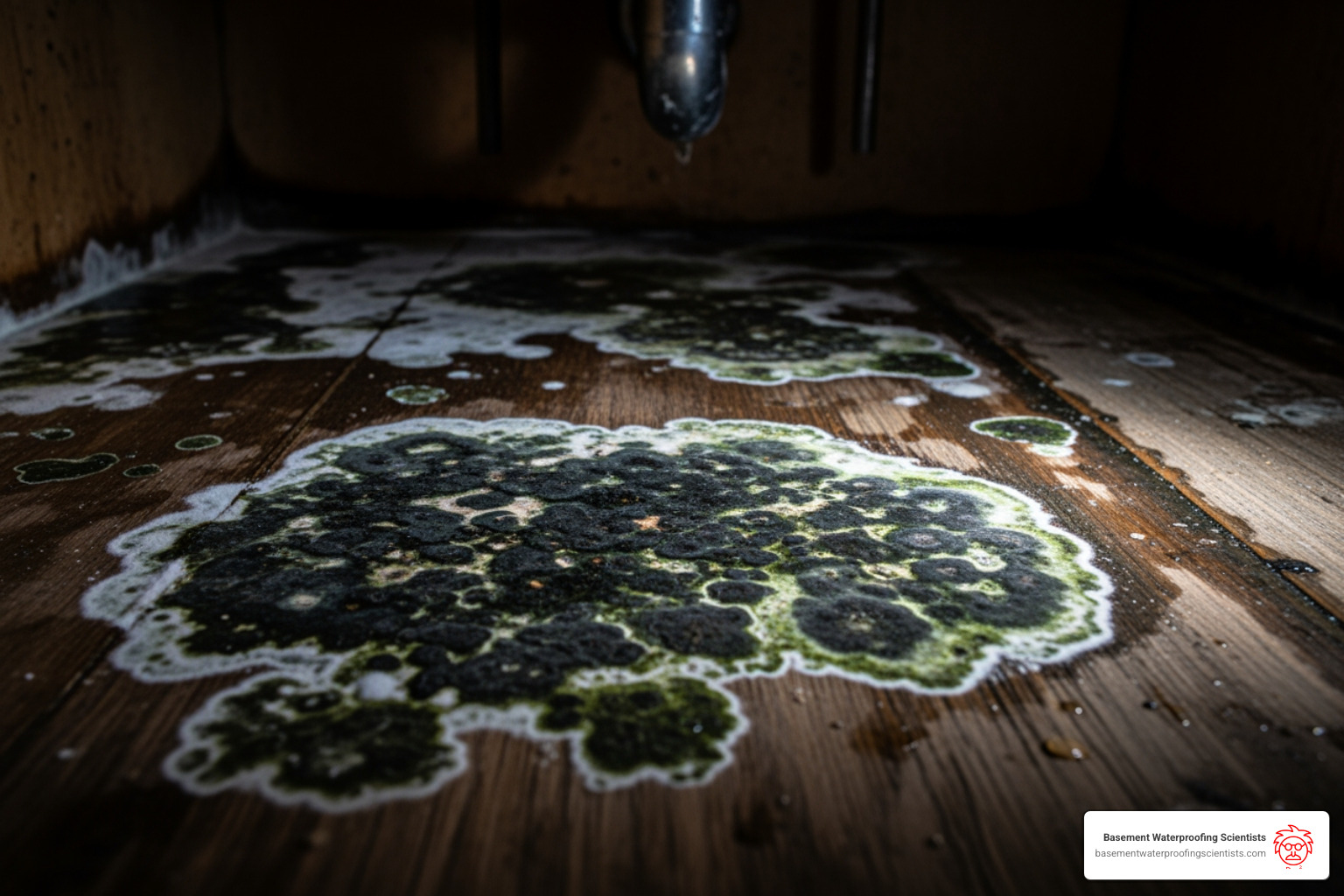
Here is a list of places where mold, including black mold, is commonly found:
- Basements and Crawl Spaces: These areas are notoriously prone to moisture due to their below-grade location, making them prime targets for mold. Water intrusion, condensation on pipes, and high humidity create ideal conditions. This is why mold-in-basement is a frequent issue we address.
- Bathrooms: Showers, bathtubs, sinks, and toilets are constant sources of moisture. Check around grout lines, caulk, under sinks, and on ceilings.
- Kitchens: Look under sinks, behind refrigerators (especially if there’s a water dispenser), and around dishwashers.
- Attics: Poor ventilation or roof leaks can lead to moisture buildup and mold growth in attics.
- Around Windows and Sills: Condensation on windows can create enough moisture for mold to grow on the frames and sills.
- Near HVAC Vents: If your heating, ventilation, and air conditioning system has moisture issues, mold can grow in or around the vents.
- Behind Drywall or Wallpaper: Water damage can often lead to hidden mold growth behind wall coverings, which may only be detectable by smell or by visual signs like peeling.
- Under Carpeting: Especially in basements or areas that have experienced flooding or leaks, mold can grow unseen beneath carpets and padding.
Regularly inspecting these areas, especially after any plumbing issues or heavy rains, is crucial for early detection.
Found Mold? Here’s What to Do Next
Finding mold in your home can be unsettling, but don’t panic. The immediate steps you take can significantly impact the problem’s severity and your safety. Our comprehensive basement-mold-repair-complete-guide provides even more detailed advice.
How to check for black mold you can’t see
Sometimes, the most insidious mold is the mold you can’t see. Hidden mold often lurks behind walls, under floors, or in crawl spaces, slowly growing and releasing spores without visible signs. However, there are still ways to detect its presence:
- Persistent Musty Odor: As we mentioned, a strong, earthy smell that doesn’t go away is a prime indicator of hidden mold. If you smell mold but can’t see it, it’s likely hidden.
- Unexplained Allergy Symptoms: If you or family members experience ongoing allergy-like symptoms (sneezing, coughing, itchy eyes, headaches) that seem to improve when you’re away from home, hidden mold could be the cause.
- History of Water Damage: If an area has experienced a leak, flood, or significant water intrusion in the past, even if it seemed to dry out, mold could be growing behind surfaces.
- Professional Inspection: For suspected hidden mold, especially if you have persistent symptoms or a history of water damage, we recommend a professional inspection. While routine air sampling for mold is generally not recommended by health authorities like the CDC and EPA (because results don’t always correlate with health effects and there are no federal standards for acceptable levels), a trained professional can use specialized tools like moisture meters and thermal cameras to identify hidden moisture sources and potential mold growth. We also offer black-mold-testing as part of our services, and you can learn more about best-mold-test options.
DIY Cleanup for Small Areas (Under 10 sq. ft.)
If you find a small area of mold (less than about 10 square feet—roughly 3 feet by 3 feet), you can often handle the cleanup yourself. However, safety is paramount.
Here’s our step-by-step guide for DIY mold cleanup:
- Gear Up for Safety: Mold spores can irritate your respiratory system and skin. Always wear:
- An N-95 respirator mask (available at most hardware stores, costing about $12-$25) to prevent inhaling spores.
- Disposable gloves (rubber or nitrile).
- Safety goggles or glasses to protect your eyes.
- Long sleeves and pants to avoid skin contact.
- Isolate the Area: Close doors and windows to the affected room to prevent spores from spreading to other parts of your home. You can also cover doorways and vents with plastic sheeting.
- Address the Moisture Source: Before you even start cleaning, identify and fix the underlying moisture problem. If you clean the mold but don’t stop the water source, it will undoubtedly return.
- Clean Hard, Non-Porous Surfaces: For surfaces like tile, metal, glass, or sealed wood, scrub the mold with a stiff brush or sponge using a solution of detergent and water. You can also use a solution of no more than 1 cup of household laundry bleach per gallon of water, but never mix bleach with ammonia or other cleaners, as this creates toxic fumes. For more details, consult the EPA’s A Brief Guide to Mold, Moisture and Your Home.
- Clean Porous Materials Carefully: For porous materials like wood, drywall, or concrete, cleaning can be more challenging. If the mold is superficial, you can try scrubbing with detergent and water. However, if these materials are heavily saturated or deeply embedded with mold, it’s often best to discard them. Porous items like carpet, insulation, or ceiling tiles that are moldy often cannot be thoroughly cleaned and should be removed and thrown away.
- Dry Thoroughly: After cleaning, ensure the area is completely dry. Use fans, open windows (if it’s dry outside), or a dehumidifier to speed up drying. Mold will not grow without moisture, so complete drying is essential.
- Discard Contaminated Items: Place all moldy debris, cleaning cloths, and disposable protective gear in sealed plastic bags and remove them from your home.
When to Call a Professional for Remediation
While DIY cleanup is suitable for small, isolated mold patches, there are several situations where calling a professional mold remediation company is not just advisable, but necessary. Our team at Basement Waterproofing Scientists works with trusted partners in mold remediation across Pennsylvania, New Jersey, and Delaware.
You should contact a professional if:
- The Moldy Area Exceeds 10 Square Feet: If the mold growth covers an area larger than roughly 3 feet by 3 feet, it’s considered a large infestation and requires professional handling.
- Mold Returns After Cleaning: If you’ve cleaned a small area, fixed the moisture source, and the mold keeps coming back, it indicates a deeper, unresolved issue.
- Your HVAC System is Contaminated: If you suspect mold in your heating, ventilation, and air conditioning system, it can spread spores throughout your entire home and requires specialized cleaning.
- Water Damage is from Sewage or Contaminated Water: This type of water contains bacteria and other pathogens, making cleanup a biohazard that should only be handled by professionals.
- You or Occupants Have High Sensitivity: If anyone in your home is particularly sensitive to mold (e.g., severe allergies, asthma, compromised immune systems), minimize their exposure by calling in experts.
- You Cannot Identify the Moisture Source: If you have a persistent mold problem but can’t find the leak or moisture source, professionals have specialized equipment to detect it.
- You Suspect Hidden Mold: If you have a strong musty smell but no visible mold, a professional can investigate safely.
Professionals have the training, equipment (like HEPA air scrubbers and containment barriers), and experience to safely remove mold, prevent its spread, and ensure the underlying moisture issue is resolved. For more information on professional services, see our guide on companies-that-test-for-mold.
The Ultimate Defense: Preventing Future Mold Growth
The best way to deal with mold is to prevent it from growing in the first place. This means focusing on moisture control, maintaining optimal humidity levels, ensuring proper ventilation, and responding quickly to any water incidents. As we’ve learned, mold will begin to grow in an area with excessive moisture within 48 hours. Our insights into how-wet-basements-create-mold-the-perfect-environment-for-growth emphasize the importance of these preventative measures.
Control Indoor Humidity
Humidity is mold’s best friend. Keeping indoor humidity levels in check is one of the most effective ways to prevent mold growth.
-
Dehumidifiers: Use dehumidifiers in damp areas like basements and crawl spaces. We recommend keeping indoor humidity between 30% and 50% all day long. Never let it rise above 60%. Remember to empty and clean dehumidifier trays regularly.
-
Exhaust Fans: Ensure your bathrooms and kitchens are equipped with exhaust fans that vent outside your home, not into the attic. Use them during and after showering, cooking, or running the dishwasher to remove moist air.
- Proper Ventilation: Open windows and doors when the weather permits to allow for fresh air circulation. Keep baseboards and heating vents clear of furniture, and leave interior doors open to promote airflow.
- Air Circulation: Avoid overcrowding closets and storage areas, especially those against outside walls, as this can trap moisture.
Eliminate Moisture Sources
Mold won’t grow without water. Eliminating moisture sources is the foundational step in mold prevention.
- Fix Plumbing Leaks Promptly: Inspect pipes, faucets, and toilets regularly for leaks. Even small drips can create enough moisture for mold to thrive. Insulate drainpipes to prevent condensation, which can lead to rust and dampness.
- Repair Roof and Gutters: Annually inspect your roof for damaged shingles and ensure your gutters are clean and properly channeling water away from your home’s foundation.
- Ensure Proper Ground Slope: The ground around your home should slope away from the foundation, directing rainwater and snowmelt away from your basement walls.
- Basement Waterproofing: For homes in Pennsylvania, New Jersey, and Delaware, where basements are common, effective basement waterproofing is perhaps the most crucial defense against mold. Our team at Basement Waterproofing Scientists specializes in identifying the exact source of leaks using specialized equipment and providing customized, permanent solutions. The average cost for basement waterproofing is typically between $4K and $8K, a worthwhile investment to protect your home and health.
- Quick Response to Spills/Flooding: If spills or leaks occur, clean up and dry the affected area completely within 24 to 48 hours. For porous materials that get heavily wet, it’s often best to discard them.
By proactively managing moisture, you create an environment where mold simply cannot flourish, protecting your home and your family’s health.
Frequently Asked Questions about Checking for Mold
Is all black-colored mold the toxic “black mold”?
No, not all black-colored mold is the toxic Stachybotrys chartarum, often referred to as “black mold.” Many types of mold can appear black, dark green, or brown. While Stachybotrys chartarum is known for producing mycotoxins, all types of mold should be treated seriously. If you see or smell any mold, regardless of its color, it indicates a moisture problem that needs to be addressed.
Do I need to test the mold I find?
Generally, no. The Centers for Disease Control and Prevention (CDC) and the Environmental Protection Agency (EPA) state that if you can see or smell mold, you should remove it. Testing to identify the specific type of mold is usually unnecessary for remediation purposes, as the cleaning process is generally the same for all molds. Furthermore, there are no federal standards for acceptable mold quantities, and sampling results can be difficult to interpret. The focus should be on safe removal and fixing the moisture problem. You can learn more about this in our guide on mold-testing-after-remediation.
Can I just paint or caulk over mold?
Absolutely not. Painting or caulking over mold does not kill it. Mold is a living organism, and if you simply cover it, it will continue to grow underneath the new layer, feeding on the paint or caulk. This will eventually cause the paint to peel, crack, and potentially worsen the mold problem, making future removal more difficult and costly. Always clean and thoroughly dry the moldy surface completely before applying any new finishes.
Protect Your Home and Health from Mold
Knowing how to check for black mold is your first line of defense in maintaining a healthy home. Regular inspections, especially in moisture-prone areas like your basement, are crucial. Always remember the key takeaways:
- Look for visual signs of mold and water damage.
- Smell for persistent musty or earthy odors.
- Locate common hiding spots to catch mold early.
- Control moisture and humidity to prevent growth.
- Act quickly when you detect any signs of mold or water issues.
For persistent moisture issues in your basement, especially in our service areas of Pennsylvania, New Jersey, and Delaware, the experts at Basement Waterproofing Scientists are here to help. We can identify the source of your leaks and provide a permanent solution, ensuring your home remains dry and mold-free for years to come.
Find out more about professional mold testing and remediation.