

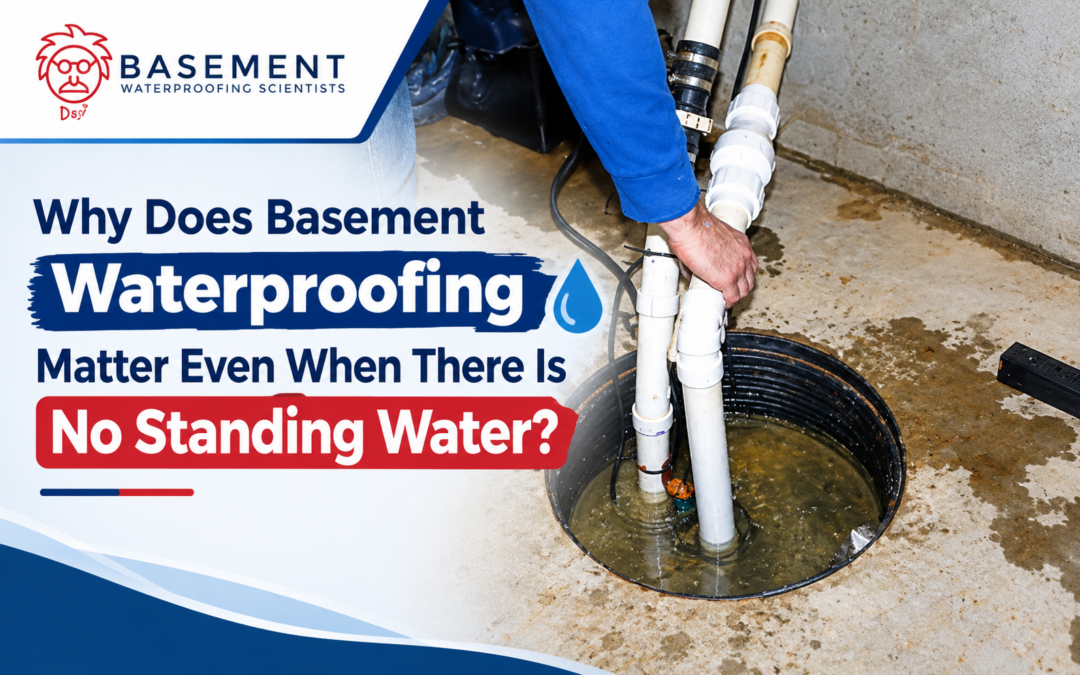
Summary: Basement waterproofing matters even without standing water because hidden moisture can enter through foundation cracks, joints, windows, poor drainage, or condensation. Early signs such as musty odors, stains, damp walls, peeling paint, and mildew can indicate a moisture problem. Identifying the source early helps homeowners choose suitable waterproofing solutions and reduce the risk of further basement damage.
A basement does not need a puddle on the floor to have a water problem. Damp walls, small cracks, musty smells, or moisture around the foundation can be early signs of trouble. Basement waterproofing Springfield can help address these issues before they grow into bigger problems. Early action can protect the basement, reduce moisture, and help keep the lower part of your home dry and useful.
A Dry Floor Does Not Always Mean a Dry Basement
It is easy to think a basement is safe when the floor looks dry. However, moisture can enter in small amounts and stay hidden.
Water may move through tiny cracks, walls, joints, or around basement windows. It can also come from poor drainage outside the home. In some cases, moisture may only appear after heavy rain. The basement may look fine during a quick visit while small signs are already starting to develop.
Where Can Hidden Moisture Come From?
Basement moisture can have several sources. Rainwater and melting snow can collect near the foundation when water does not drain away from the house. Cracks in the foundation can also give water a path inside.
Indoor moisture can play a part too. Condensation on cool walls or pipes can add dampness even when there is no leak. The first step is to find the source. A waterproofing plan works better when it deals with the reason for the moisture instead of only covering the visible mark.
What Early Signs Should You Watch For?
Some warning signs are easy to miss. You may not see water, but your basement can still show signs that moisture is present.
Look for:
- Musty or damp smells
- Water stains on walls or floors
- Peeling paint
- White powdery marks on foundation walls
- Small or changing cracks
- Damp spots near windows
- Warped wood or damaged materials
- Mold or mildew growth
These signs do not all mean the same problem. Still, each one is worth checking before the condition becomes worse.
Why Can Small Cracks Become a Bigger Concern?
A small crack may not seem important. Yet, a crack can create a path for water to enter the basement. Some cracks stay stable, while others can change over time. Water pressure around the foundation may also make existing problems more noticeable during periods of heavy rain.
This does not mean every crack needs major repair. A proper inspection can help determine what the crack means and what action, if any, is needed.
Moisture Can Affect More Than the Walls
Basement moisture can affect flooring, drywall, wood, stored items, and other materials. Damp conditions can also create an environment where mold can grow. The EPA notes that moisture control is a key part of mold control, including in basements.
That is why waiting for visible water may not be the best approach. By the time a puddle appears, moisture may already have caused other changes. Keeping the basement dry can help protect the space before damage becomes harder to manage.
What Does a Waterproofing Check Include?
A good waterproofing check should look at both the inside and outside of the basement. The outside may need attention around gutters, downspouts, soil slope, drainage paths, and the foundation. Water should move away from the home instead of collecting beside the walls.
Inside the basement, it can help to check foundation walls, floors, cracks, windows, sump equipment, stains, and signs of dampness. EPA guidance also recommends checking sump systems, foundation cracks, seepage, musty smells, and signs of moisture during routine inspections.
Can Waterproofing Help Prevent Future Problems?
Waterproofing is not only about fixing an active leak. It can also be part of a plan to reduce future water entry.
The right solution depends on the cause. Some homes may need better drainage outside. Other homes may need crack repair, an interior drainage system, a sump pump, or another method that fits the basement. There is no single solution for every home. A proper inspection should come before choosing the repair method.
What Happens When Moisture Is Left Alone?
Small moisture problems can become more noticeable over time. Paint may peel. Materials may become damp or damaged. Musty smells may grow stronger. Mold may also develop in damp areas.
The EPA advises correcting moisture problems before finishing or remodeling a basement because damp spaces can support biological growth. Early attention can make the problem easier to understand and may help prevent a small concern from turning into a larger repair.
Choosing the Right Waterproofing Approach
Homeowners should avoid choosing a waterproofing method based only on what worked for another house. Every basement has different walls, drainage, soil, cracks, and water paths.
A professional inspection can help identify where moisture is coming from and which solution fits the home. The goal is not simply to cover a damp spot. It is to address the source and help keep water away from the basement. For homeowners looking into Basement waterproofing Villanova, the same basic idea applies: first find the cause, then choose a solution that fits the property.
Keep Your Basement Dry Before Problems Grow
A basement can have a moisture problem without having standing water. Small warning signs can appear long before a major leak. That is why regular checks and early repairs matter.
For homeowners searching for basement waterproofing Springfield, Basement Waterproofing Scientists can help inspect the space, identify possible moisture sources, and guide you toward a practical waterproofing plan. You do not have to wait for a flooded floor before taking action. Look for early signs, check drainage and foundation areas, and get professional help when something does not look right. A dry basement starts with finding the problem early and choosing the right solution.
Frequently Asked Questions
1. Can a basement have moisture without standing water?
Yes, moisture can show up as damp walls, stains, condensation, musty smells, or other early signs without forming a puddle.
2. What causes basement moisture?
Common causes include poor drainage, foundation cracks, groundwater, leaks, condensation, and water collecting near the foundation.
3. Are small foundation cracks a reason to worry?
A small crack should be checked if it changes, shows signs of moisture, or appears to be allowing water inside.
4. Can basement moisture lead to mold?
Yes, damp conditions can support mold growth, which is why controlling moisture is an important part of prevention.
5. When should a basement be inspected?
A basement should be checked when you notice dampness, stains, musty smells, new cracks, or moisture after heavy rain or snowmelt.